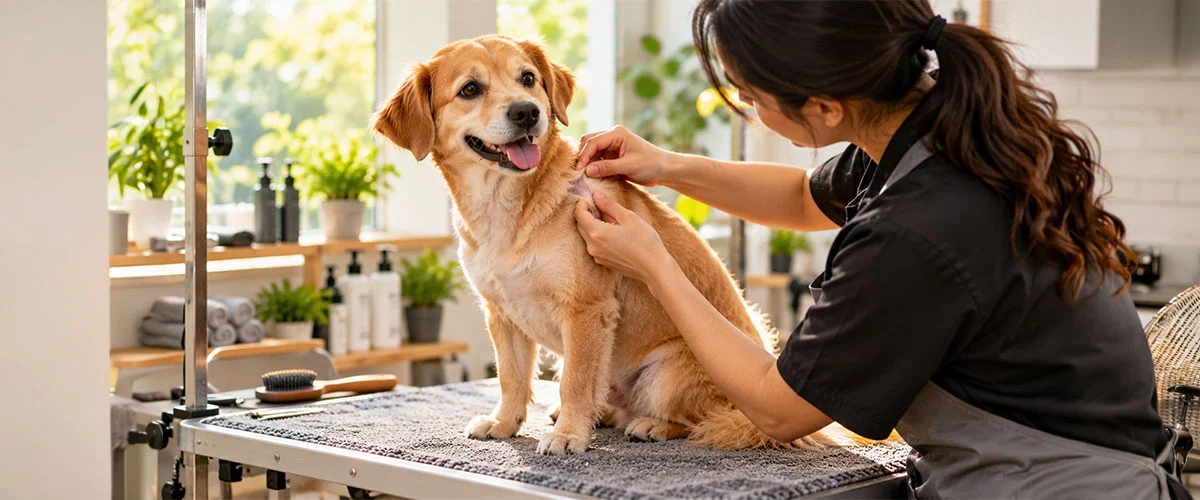
A fresh haircut can leave your dog looking tidy and feeling lighter, especially when the weather warms up. But a shaved coat also changes how well their skin is protected. With less fur in the way, the skin meets more sunlight, friction, dust and grooming products than it normally would.
Table of Contents
Introduction
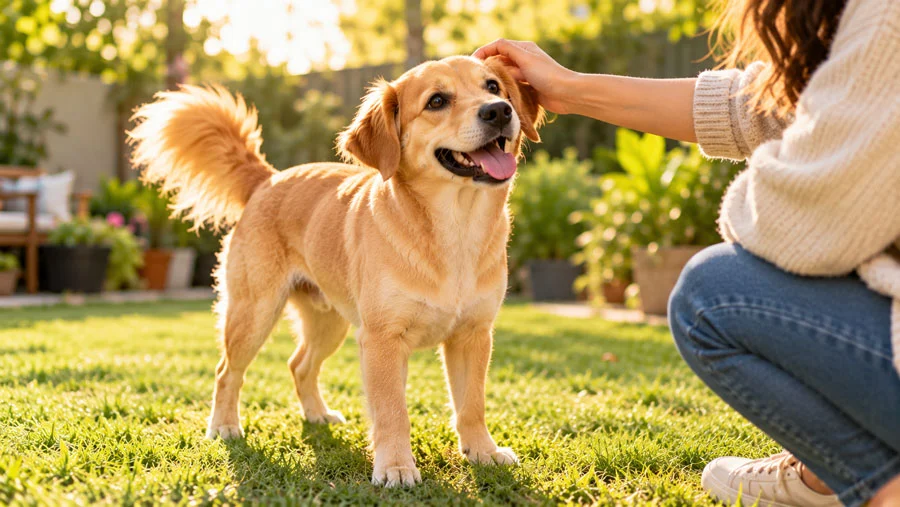
Most dogs bounce back without trouble. Some need extra attention, depending on their coat type, skin sensitivity, and how closely they were clipped. At Chekapaws, we think good pet care starts with noticing small changes before they become big ones.
In this guide you’ll find why skin needs extra care after a shave, five warning signs to watch for, a simple aftercare routine, and how to tell normal post-groom changes from problems that need a vet.
Related Topics:
- Dog POV Cameras: What I Learned Filming My Dog, Plus a Complete Safety Guide
- Dog Strollers 101: A Complete Guide to Choosing, Introducing & Using One Safely
- 5 Eco-Friendly Ways to Clean Up After Your Dog on a Walk
Why Your Dog’s Skin Needs Extra Care After Shaving
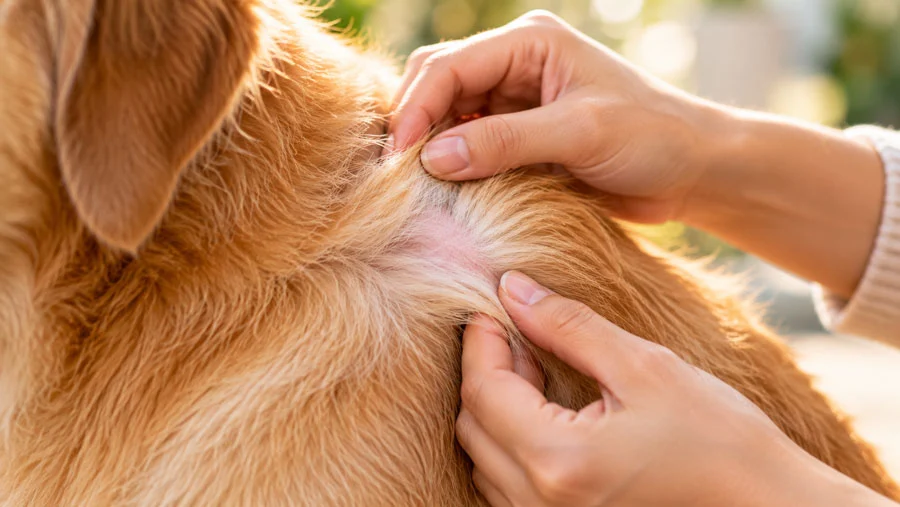
A dog’s coat does more than make them look good. It acts as a buffer against sun, small scrapes, and irritants, and in many breeds it helps with temperature regulation.
When the coat is clipped very short, the skin has less cover. That doesn’t make shaving harmful in every case, but it does make the weeks after a haircut a good time to look at your dog’s skin more closely than usual.
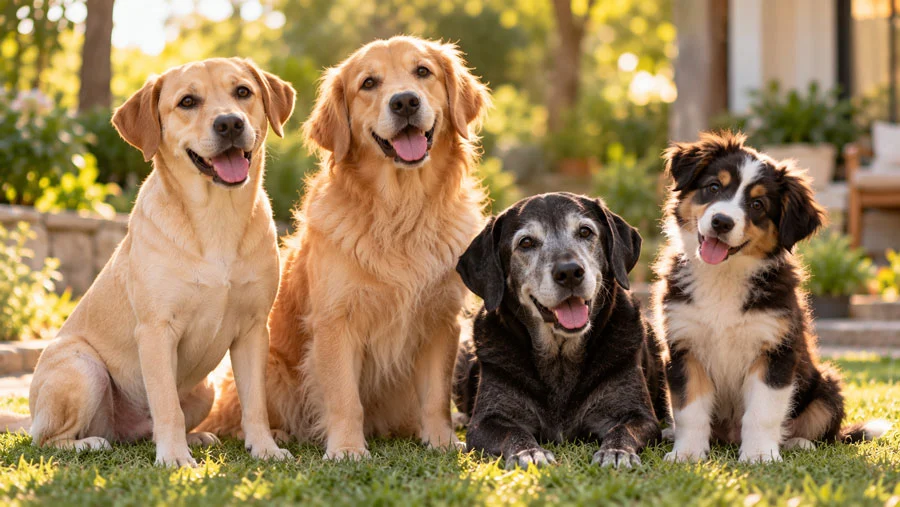
Which Dogs Are More Likely to Need Extra Attention?
- Dogs with light or pink skin
- Dogs with thin or sparse coats
- Dogs with known skin sensitivities or allergies
- Senior dogs, whose skin can be more delicate
- Dogs clipped very short or shaved for the first time
- Dogs that were heavily matted before the groom
Is Shaving Always a Good Idea?
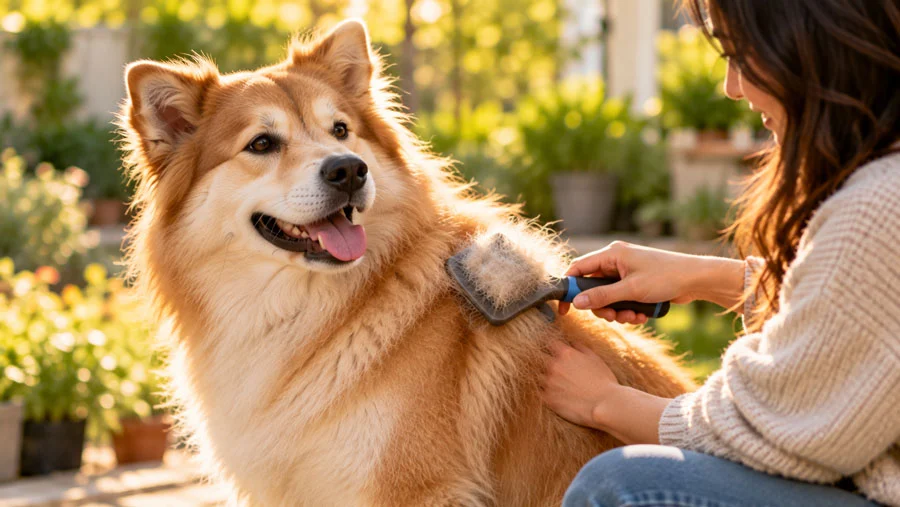
Not always. Shaving can be appropriate for removing severe matting, preparing an area for a veterinary procedure, or managing certain coat problems. Routine close shaving isn’t right for every dog.
Double-coated breeds such as Huskies, Golden Retrievers, and German Shepherds have coats that help insulate and protect them.
Shaving can interfere with that and may lead to uneven or unpredictable regrowth. For many dogs, regular brushing and breed-appropriate grooming keep them more comfortable in summer. If you’re unsure, ask a groomer or veterinarian who knows your dog’s breed and coat before booking a shave.
Related Topics:
- Dog Safety on Raksha Bandhan: The Complete Pet Parent’s Guide to a Joyful, Hazard-Free Rakhi
- Balancing Work and Pet Care: A Practical System for Working Pet Parents
- What to Do If Your Dog Has an Accident Indoors: A Complete Guide for Pet Parents
5 Signs Your Dog’s Shaved Coat Needs Extra Skin Care
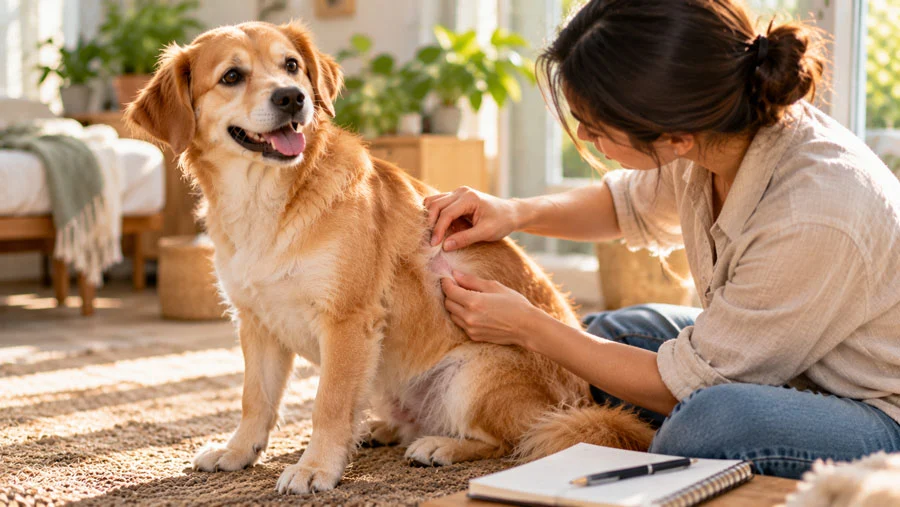
1. Redness or Unusual Skin Discoloration
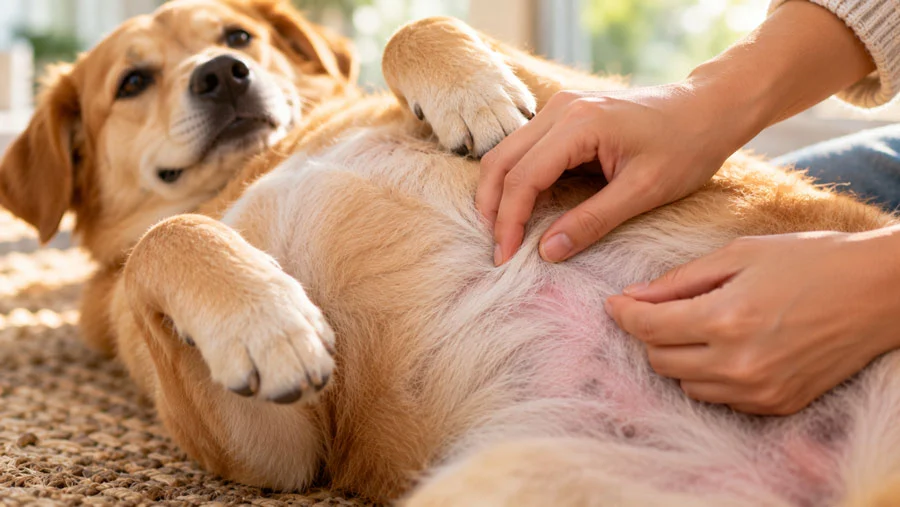
Redness is often the first sign that skin is unhappy. Close clipping, friction from clipper blades, or certain grooming products can irritate sensitive skin.
What to look for:
- Pink or red patches on the neck, belly, legs, or other clipped areas
- Small bumps or spots that weren’t there before the groom
- Skin that looks inflamed or feels warmer than the area around it
- Flinching or pulling away when you touch the spot
What you can do: Keep the area clean and dry, and discourage rubbing or scratching. Avoid human creams, essential oils, and fragranced products unless your vet recommends them. Mild irritation may settle on its own, but worsening redness, swelling, pain, discharge, or irritation that doesn’t fade should be checked by a veterinarian.
Chekapaws tip: Check your dog’s skin in bright light after every groom. Catching a small change early is much easier than treating a bigger one later.
2. Dry, Flaky or Rough Skin
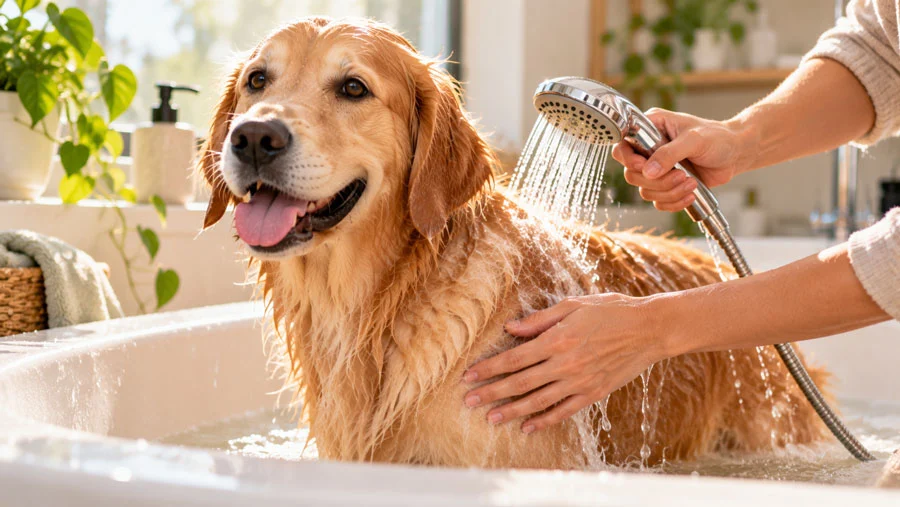
Flakes, rough patches, or a dull look to the skin can appear after a groom. Shaving doesn’t always cause dryness, but it can make an existing problem easier to see.
Common signs:
- White flakes on the skin or remaining fur
- Rough or dull-looking skin
- A mild increase in scratching
- Small patches of visible scaling
What you can do: Use a gentle, dog-specific shampoo and avoid bathing more often than needed. Rinse thoroughly, since leftover shampoo can irritate skin. If dryness spreads or appears with hair loss or ongoing itching, your dog may have an underlying skin condition that needs veterinary advice, not just a cosmetic product.
Remember: Human moisturizers and home remedies aren’t automatically safe for dogs. Ask your vet before putting anything on your dog’s skin.
3. Frequent Scratching, Licking or Biting
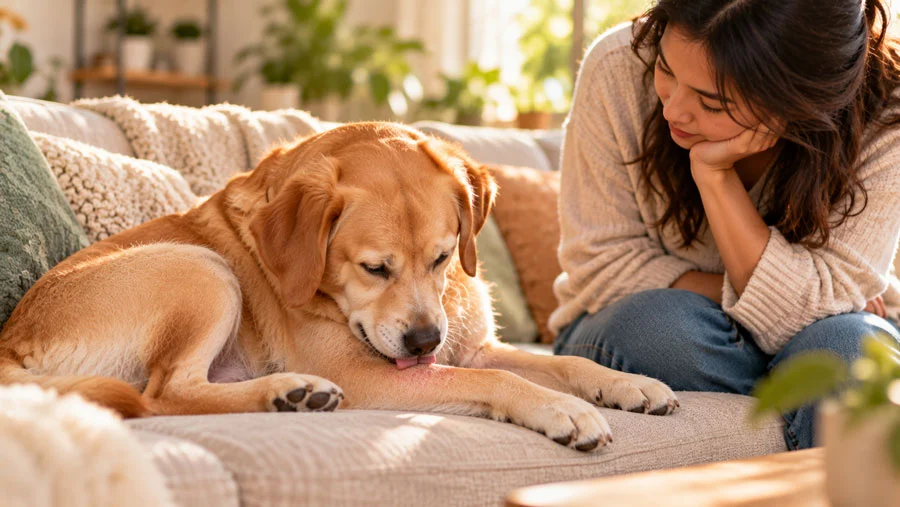
More scratching or licking after a haircut is worth noticing. It can point to irritation, allergies, parasites, or discomfort from the groom.
Behaviors you shouldn’t ignore:
- Repeated scratching around clipped areas
- Constant licking or chewing at the paws, legs, belly, or sides
- Rubbing against furniture or the floor
- Restlessness or trouble settling
What you can do: Gently check for redness, bumps, cuts, or signs of infection, and try to stop repeated licking or scratching from breaking the skin. If your dog is causing damage, ask your vet about suitable protection. Don’t assume itching is simply “normal after shaving,” since fleas, mites, allergies and skin infections can look similar.
4. Sun Sensitivity or Signs of Sunburn
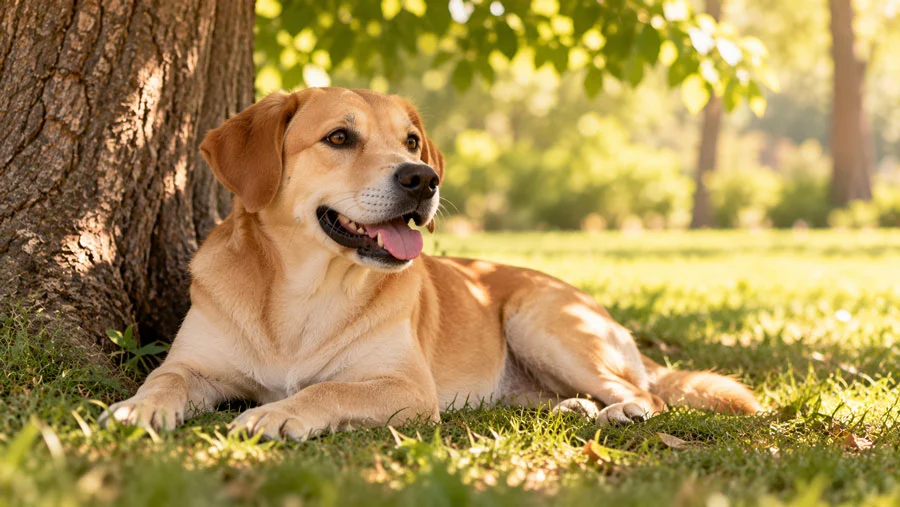
Without a full coat, some areas get much more sun than usual. Dogs with light skin, thin coats, or naturally sparse fur are especially prone to this.
Signs of possible sun damage:
- Red or tender skin after time in the sun
- Discomfort when touched
- Peeling or irritated skin
- Sensitivity around the ears, nose, belly, or other exposed areas
How to protect your dog:
- Choose shaded routes and resting spots
- Avoid long stretches in direct sun, especially at peak brightness
- Ask your vet about dog-safe sun protection if appropriate
- Consider lightweight protective clothing if your vet suggests it and your dog is comfortable in it
Don’t use human sunscreen without checking with a vet first, as some ingredients can be harmful if licked or swallowed. If you see blistering, open skin or obvious pain, contact your veterinarian promptly.
5. Slow Hair Regrowth or Changes in the Skin
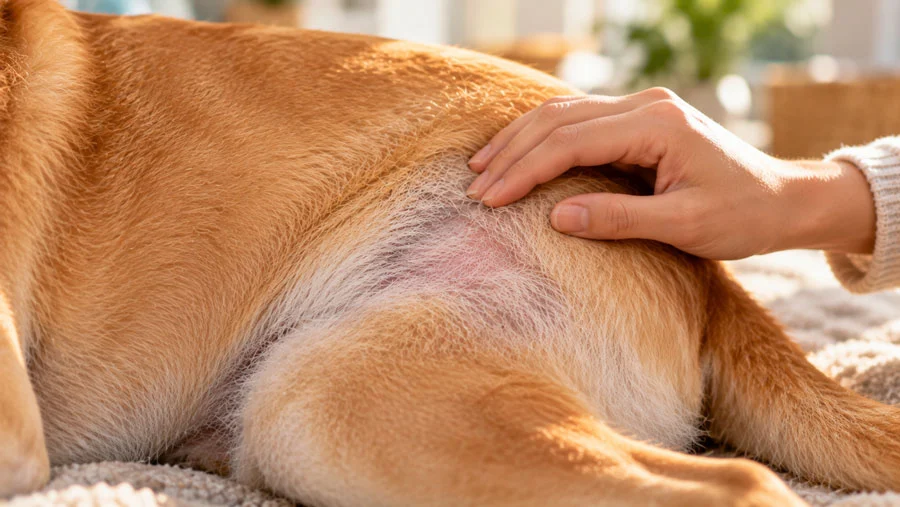
Regrowth speed varies by breed, age, health, and how short the coat was cut. Double-coated dogs in particular can regrow unevenly. But bald patches that don’t improve, very uneven regrowth, or ongoing skin changes deserve attention.
Warning signs:
- Patches that don’t gradually fill in
- Hair coming back unevenly or unusually slowly
- Darkened, thickened, or persistently inflamed skin
- Hair loss alongside itching, scaling, or sores
What you can do: Don’t re-shave an area to speed things up. Offer a balanced diet suited to your dog’s life stage, keep fresh water available, and follow a sensible grooming routine. If regrowth isn’t going as expected, see your vet, since hormonal conditions, infections, and allergies can all affect the coat.
Important: Slow regrowth isn’t always a problem, but persistent or unusual changes shouldn’t be ignored.
Related Topics:
- How to Prevent Dog Fights at Home: A Complete Guide to Building a Peaceful Multi-Dog Household
- What Dogs Can Teach Us About Loyalty: 10 Heartwarming Lessons Every Pet Parent Can Learn
- 15 Fun Rainy Day Activities for Dogs to Keep Them Happy, Active, and Mentally Stimulated
Normal After a Shave or Worth Checking? A Quick Guide
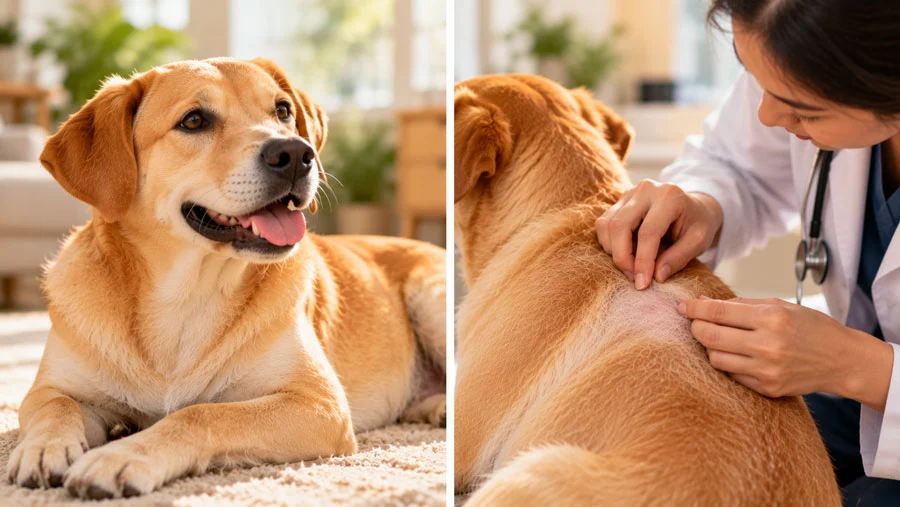
| What you notice | Often fine | Worth a vet check |
|---|---|---|
| Light pinkness | Mild and fading soon after the groom | Persists, spreads, or looks inflamed |
| A bit more scratching | Brief, settles quickly | Constant, or causing sores |
| Fur regrowth | Gradual and fairly even | Bald patches that don’t improve |
| Dry skin | Slight dullness | Heavy flaking, scaling, or hair loss |
| Sun exposure | Slight warmth after time outdoors | Red, tender, peeling, or blistered skin |
If you’re ever unsure, a quick call to your vet or groomer is better than waiting.
Related Topics:
- What Every Dog Owner Should Know: 15 Essential Lessons for a Happier, Healthier Dog
- How to Train a Rescue Dog: A Complete Guide to Building Trust and Good Behavior
- The Best Games to Play with High-Energy Dogs
Before the Haircut: How to Set Your Dog Up for Success
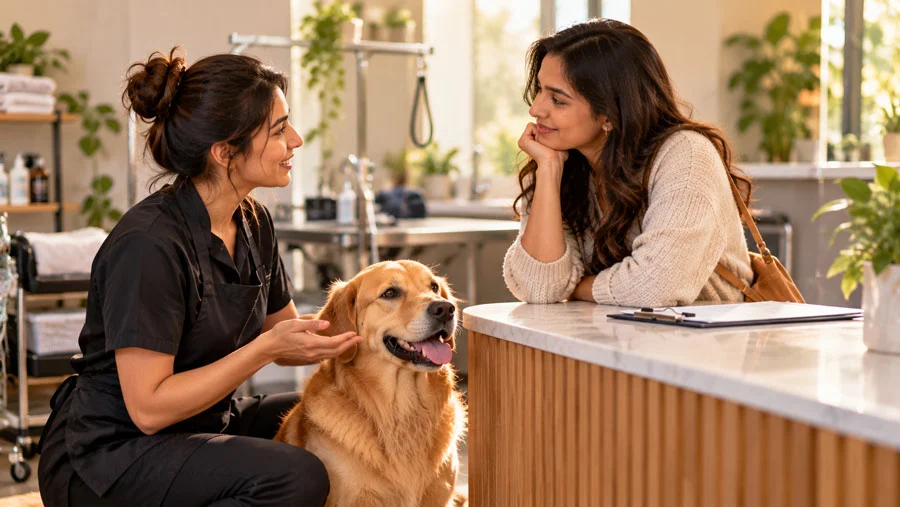
A good result starts before the clippers come out.
Talk to Your Groomer
Ask how short they plan to cut, whether a shorter blade is really necessary, and how they’ll handle sensitive areas. Mention any known allergies, past reactions, or skin issues.
Brush and Check for Mats Early
Regular brushing keeps tangles from becoming severe, which can mean less need for a very close shave. If mats are tight against the skin, leave them to a professional. Cutting them out yourself can easily nick the skin.
Consider the Season
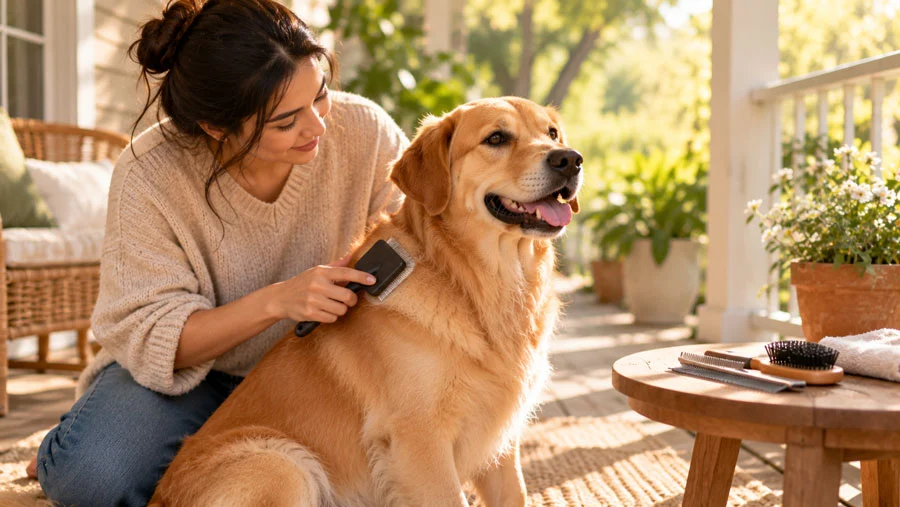
A shaved dog still needs thought in cooler weather. A short coat offers less warmth, so a clipped dog may need extra care when temperatures drop.
Related Topics:
- How Dogs Communicate with Body Language: Understanding What Your Dog Is Really Saying
- What Makes Dogs Trust Humans? Understanding the Science and Heart Behind Canine Trust
- Complete Spring Pet Grooming Checklist for Dogs and Cats
A Simple Aftercare Routine for Dogs After Shaving
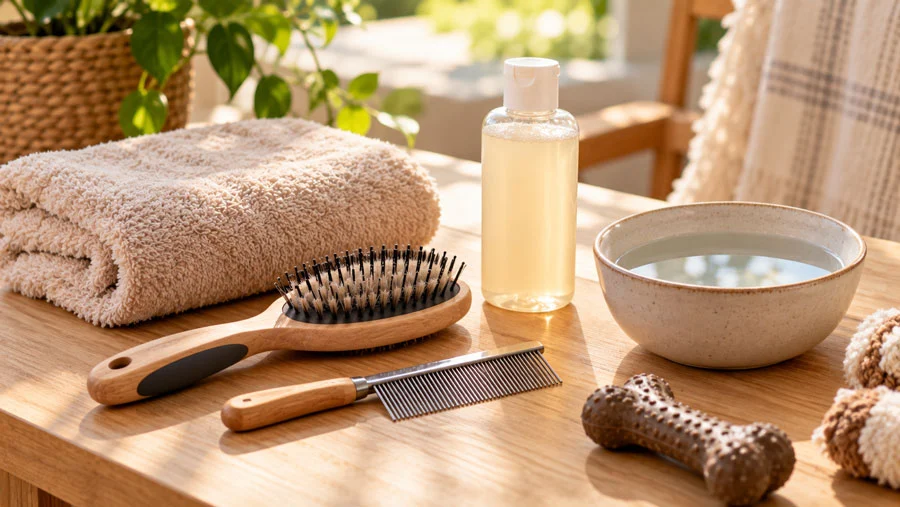
Spotting problems is only half the job. A few simple habits keep skin comfortable while the coat grows back.
Inspect the Skin Regularly
Check in good light once a day for the first week or so, then less often. Look at the neck, belly, armpits, and any area that was clipped closely for redness, bumps, dryness, cuts, or anything unusual.
Don’t Over-Bathe
Too much bathing or harsh products can dry out and irritate skin. Follow your groomer’s or vet’s advice on how often to bathe your dog.
Pick Dog-Safe Products
Use products made for dogs, especially for sensitive skin. Avoid experimenting with human skincare, essential oils, or home remedies.
Watch Harnesses, Collars, and Clothing
Freshly clipped skin can be rubbed more easily by straps and fabric. Check that harnesses and collars aren’t causing friction, and keep bedding clean and dry.
Protect From Sun and Hot Surfaces
Offer shade, and be careful with walks during the hottest part of the day. Hot pavement can be uncomfortable for paws, and exposed skin on the belly can warm quickly in strong sun.
Support Healthy Skin From the Inside
Feed a complete, balanced diet suited to your dog’s age and size, and talk to your vet before adding supplements.
Know When to Get Help
Persistent itching, worsening redness, painful skin, open sores, discharge, or unusual hair loss should be evaluated professionally. Seek urgent care if you see severe swelling, extensive skin damage, or signs of a serious allergic reaction.
Related Topics:
- How to Brush Your Pet’s Teeth Without the Struggle
- How to Train a Dog to Come When Called: Easy Recall Training Tips
- Pet Garden Safety Guide: Introducing Outdoor Spaces Without Risks
Alternatives to a Full Shave for Summer Comfort
If your goal is keeping your dog cool, a full shave may not be the best answer. Ask your groomer about:
- Regular brushing and de-shedding to remove loose undercoat
- A tidy trim instead of a close clip
- Sanitary and paw-area trims
- Cooler walking times with plenty of shade and water
These options can help your dog stay comfortable without removing as much natural protection.
Related Topics:
- Therapy Dogs vs Facility Dogs: Key Differences Every Pet Lover Should Know
- What My Dog Thinks of My Work-From-Home Meetings
- How Having a Pet Impacts Your Family Dynamic
Frequently Asked Questions
Is it normal for my dog’s skin to look pink after shaving?
Mild, short-lived pinkness can happen after close clipping, especially in dogs with sensitive skin. If the redness persists, spreads, or comes with bumps, swelling, pain, or discharge, have a veterinarian look at it.
How long does it take for a dog’s coat to grow back?
It depends on breed, coat type, health, and how short the coat was. Some dogs show regrowth within weeks, while others take months. Double-coated breeds can be especially unpredictable.
Can I put moisturizer on my dog’s skin after a shave?
Only use products made for dogs and suited to your dog’s needs. Human lotions may contain ingredients that irritate skin or aren’t safe if licked. When in doubt, ask your vet.
How can I stop my dog scratching after grooming?
First check for visible irritation and try to prevent scratching or licking from causing wounds. If it continues, gets worse, or comes with redness or sores, see your vet instead of assuming it’s normal.
Do shaved dogs need sunscreen?
Some may, particularly dogs with light skin or sparse coats. Ask your veterinarian about dog-safe sun protection rather than using a human product.
Does shaving make a dog cooler?
Not necessarily. A coat can help insulate against heat as well as cold, and shaving can remove some of that protection. Shade, water, and appropriate grooming usually matter more.
Related Topics:
- Eco-Friendly Pet Parenting: Sustainable Tips to Raise Happy Pets & Protect the Planet
- Pet-Safe Balcony Design: How to Create a Safe Balcony or Terrace for Dogs and Cats
- Signs Your Dog Is Bored: Causes, Behaviors & How to Keep Them Happy
Final Thoughts: Put Your Dog’s Skin Comfort First
A haircut changes how your dog looks, but their comfort and skin health matter more. Redness, dryness, scratching, sun sensitivity, and unusual regrowth are the five signs to watch for after a shave.
Checking their skin regularly, choosing grooming that suits their coat, and getting veterinary advice when something looks off will help them stay comfortable while the coat grows back.
At Chekapaws, we believe small acts of care add up. Our dogs give us so much every day, and they deserve the same patience and attention in return.
Disclaimer: This article is for general information and isn’t veterinary advice. If your dog’s skin looks painful, infected, or isn’t improving, contact your veterinarian.
Related Topics:
- How to Make Holi a Pet-Friendly Celebration: A Complete Safety Guide for Dog and Cat Parents
- Pet-Friendly Hotel Reviews & Road Trip Safety Tips for Traveling with Pets
- How to Host a Doggy Valentine’s Party: Fun, Safe & Paw-fect Ideas
- Healing with Paws: How a Dog Can Help Mend a Broken Heart
- Dog Digestive Problems Explained: Causes, Signs & Treatment
- How to Dog-Proof Your Christmas Tree And Decorations
- 10 Best Healthy Dog Treats of 2025
- Self-Help for Correct Dog Discipline
- How to Make Camping with Your Dog Easy and Stress-Free
- How Much Should I Feed My Dog