It’s a great milestone to let your pet explore the garden for the first time. Outdoor areas provide cerebral stimulation, exercise, and enrichment for both active puppies and inquisitive kittens. But if you’re not ready, gardens can sometimes present unanticipated risks.
We’ll help you through the process of introducing your pet to the garden in a way that minimizes hazards and maximizes enjoyment in this guide.
Read more: Pet Garden Safety Guide: Introducing Outdoor Spaces Without RisksTable of Contents
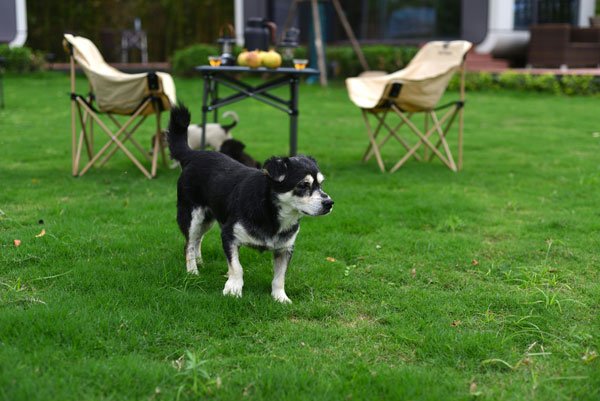
Why Outdoor Time is Important for Pets
Prior to discussing safety advice, it’s important to fully understand the significance of garden exposure
Physical Exercise
Pets can run, jump, and explore in outside areas, which helps them keep a healthy weight and strong muscles.
Mental Stimulation
Your pet’s mental engagement is maintained by new smells, textures, and noises, which also lessen boredom-related behaviors.
Natural Instincts
Cats like to climb and stalk, and dogs love to sniff; your garden fulfills these natural desires.
Common Garden Hazards for Pets
Not every garden is automatically pet-friendly. Here are some dangers to be aware of
Harmful Plants
If consumed, a number of common plants can be dangerous, including:
- Lilies (particularly harmful to cats)
- Aloe vera
- Tulips
- If consumed, a number of common plants can be dangerous, including:
- Lilies (particularly harmful to cats)
- Aloe vera
- Tulips
- Oleander
- Daffodils
- Fertilizers and Pesticides
If ingested or licked, chemicals used to nurture plants can be poisonous.
Sharp Tools & Objects – Sharp edges, shattered pots, and garden tools can all result in injury.
Escape Routes – Your pet may walk off due to open gates or gaps in fences.
Step-by-Step Guide to Introducing Your Pet to the Garden
Start with a Controlled Introduction
Don’t simply let your pet run loose by opening the door.
- For dogs, start with a leash.
- Think about an enclosed space or a harness for cats.
- Permit slow exploration
This keeps your pet safe and helps avoid overwhelming them.
Pet-Proof Your Garden First
Make sure the area is safe before your pet goes outside
Secure Boundaries
- Repair broken fences
- Block holes and gaps
- Make sure the gates are regularly closed.
Remove Toxic Plants
Replace hazardous plants with ones that are safe for pets, such as
- Marigolds
- Sunflowers
- Basil
Store Chemicals Safely
Tools, insecticides, and fertilizers should all be kept locked
Supervise All Outdoor Time
Never leave your pet alone, at least not at first.
- Keep an eye out for plant chewing.
- Keep an eye on the digging behavior
- Avoid coming into contact with insects or strange objects.
You can quickly tackle unsafe behavior with the use of supervision.
Create a Pet-Friendly Zone
Create a space that is specifically safe for your pet
Comfortable Rest Area
Give them drink, shade, and a comfortable place to relax.
Play Area
Redirect natural activities by including digging zones or toys.
Safe Surfaces
Avoid rough surfaces or extremely hot tiles that could injure paws.
Train Basic Outdoor Commands
For safety, training is important
- “Come” – ensures your pet returns quickly
- “Leave it” avoids consuming dangerous foods.
- “Stay” assists in keeping control
- When teaching these commands, positive reinforcement is the most useful method.
Watch the Weather
You might be amazed to learn how important outdoor circumstances are
Hot Weather
- Avoid the midday heat
- Make fresh water available.
- Keep an eye out for heatstroke symptoms
Rainy Conditions
- After exposure, dry your pet.
- Avoid slipping on damp areas
Gradually Increase Outdoor Time
Begin with brief sessions and gradually increase them.
- Helps build confidence
- Reduces anxiety
- Encourages safe habits
Special Tips for Cats
Cats require more caution outdoors
- Make use cat patios (catios)
- Refrain from wandering about freely in dangerous places.
- Make sure vaccinations are up to date
- Controlled surroundings are necessary since cats are naturally curious
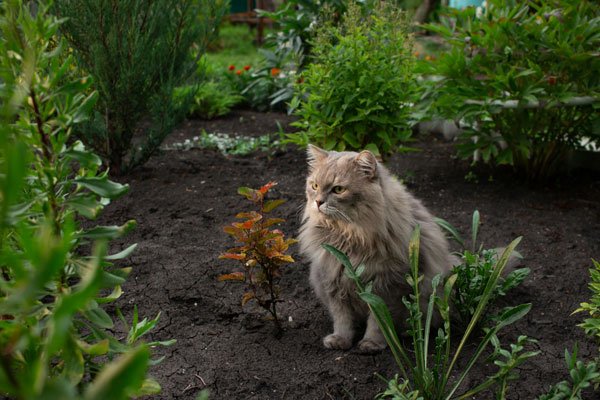
Special Tips for Dogs
Dogs are typically more adventurous
- To stop plants from chewing, provide chew toys.
- Teach them not to dig too much.
- Make sure energetic breeds have the right fence.
Signs Your Pet is Uncomfortable Outdoors
Keep an eye out for these warning warning signs
- Drooling or panting excessively
- Making an attempt to escape
- Freezing or hiding
- Unusual aggression or whining
- If you notice any of the above signs, bring your pet inside and try again later.
Creating a Long-Term Safe Garden Environment
After your pet is at ease
- Check the garden for threats on a regular basis.
- Keep plants safe and well-trimmed.
- Keep things tidy to keep bugs away.
- Persistent safety is guaranteed by a well-kept garden.
Conclusion
A great approach to improve your pet’s life is to introduce them to the garden, but safety should always come first. Your garden may become a safe and happy place for your pet with the right planning, care, and training.
Your pet will soon confidently love their outdoor trips if you take your time and pay attention.