Pets have a great opportunity to enjoy the outside without having to leave the house thanks to balconies and patios. Both cats and dogs can benefit greatly from fresh air, sunlight, and novel scents. However, if balconies are not correctly planned with dogs in mind, they can potentially present serious risks.
Many common balcony characteristics, such as slick floors, poisonous plants, and gaps in railings, might pose a risk to inquisitive paws. A pet-safe balcony gives you peace of mind while allowing your pet to unwind and explore in safety.
In order to create the ideal outdoor area for your pet, we’ll go over how to construct a balcony or terrace that is both safe and pet-friendly. This tutorial will cover safety requirements, design concepts, and useful advice.
Read more: Pet-Safe Balcony Design: How to Create a Safe Balcony or Terrace for Dogs and CatsTable of Contents
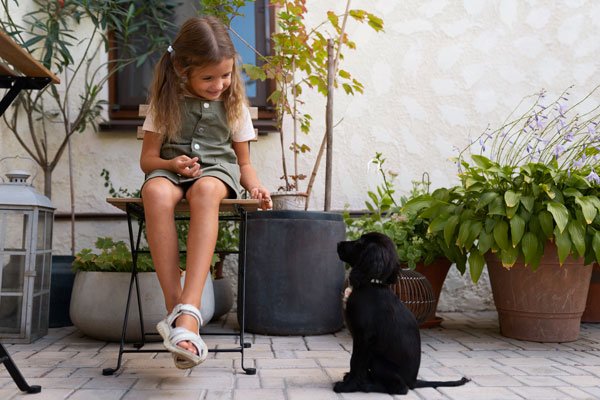
Why Balcony Safety for Pets Is Important
Many pet owners don’t realize how dangerous balconies can be. In particular, cats are known for their curiosity and agility, which can occasionally put them in dangerous circumstances.
Common dangers on balconies include
- Falling from a height
- Getting trapped between railings
- Toxic plant exposure
- Heating up too much in the sun
- On smooth floors, slipping
- Chewing dangerous substances
Even seemingly placid pets can suddenly chase an insect or bird, which can result in unintentional falls.
Three things should be the main focus of a well-designed balcony
- Safety
- Comfort
- Enrichment
Secure the Balcony Railings
Making sure the railings are secure is one of the most important phases in designing a pet-safe balcony.
Small pets may be able to climb or fit through the large spaces between railings on many balconies.
Solutions to secure railings
Put in safety netting for pets.
While maintaining vision and circulation, balcony safety nets keep pets from falling through railings.
Look for
- UV-resistant nets
- Sturdy nylon mesh
- Expert installation for elevated balconies
- Install transparent acrylic panels.
- Gaps can be filled in with transparent panels without blocking the view.
Install clear acrylic panels – Gaps can be filled in with transparent panels without blocking the view.
Use wire guards or metal mesh – For committed climbers, these are strong and effective.
Advice for owners of cats – Select tight mesh that hinders claw grip since cats may try to climb the netting.
Choose Pet-Friendly Balcony Flooring
Your pet’s comfort and safety are significantly affected by the flooring on your balcony. Certain typical balcony surfaces may be uncomfortable for paws, excessively hot, or slippery.
Best flooring options for pet balconies
Outdoor rugs
The balcony is more nice to spend time on and less likely to slip thanks to soft outdoor carpets.
Artificial grass
Dogs behave well on pet-friendly artificial turf, which has a natural feel.
Benefits consist of
- Suitable for paws
- Simple to clean
- Adds greenery
Rubber mats – Rubber flooring reduces the risk of accidents and provides good grip.
Avoid these flooring materials
- Smooth tiles that start to slip
- Rapidly heating metal surfaces
- Concrete that is rough and could irritate paws
Provide Shade and Weather Protection
In the summer, balconies may get very hot, especially in apartments that receive direct sunlight. If there is no shade, pets are susceptible to heat stress or dehydration.
Ways to create shade
- Put up a balcony awning.
- Make use of outdoor umbrellas
- Include shade sails.
- Put big plants or screens there.
- An elevated pet bed or cooling mat can also be used to offer a cool place to relax.
Choose Pet-Safe Plants
Although many common plants are poisonous to pets, they add beauty and calm to outdoor spaces. Make sure your plants are safe for pets before you decorate your terrace garden.
Pet-friendly balcony plants
Among the secure choices are
- The Areca Palm
- The Spider Plant
- Palm Bamboo
- Basil
- Thyme with Rosemary
- The wheatgrass
- In addition to adding greenery, these plants are usually safe for inquisitive pets.
Plants to avoid
Certain plants, such as the following, can be poisonous if chewed or consumed
- Lilies
- Aloe Vera
- Pothos
- Dieffenbachia
- Palm Sago
Plants should always be thoroughly researched before being added to a pet-friendly area.
Create a Comfortable Relaxation Spot
If your pet has a cozy spot to relax on the balcony, they will love it much more.
Ideas for pet relaxation zones
Outdoor pet beds – Pets have a comfortable place to relax in weather-resistant pet beds.
Pet hammocks – In particular, cats adore raised hammocks that allow them to observe their surroundings.
Window perches – Pets may enjoy the view without sitting on the floor thanks to window perches.
Remove Chewable or Dangerous Items
Pets frequently use their mouths to explore, so anything they can reach could be dangerous.
Take out or secure things like
- Electrical wires
- Decorative lights
- Small objects
- Toxic fertilizers
- Sharp tools
- Keep gardening supplies stored in closed containers.
Add Enrichment and Entertainment
Pets can have a great little playground on a balcony. Enrichment keeps pets’ minds active and keeps them from getting bored.
Balcony enrichment ideas
Climbing shelves with a cat – Cats adore areas that are vertical and allow them to climb and view.
Scratching posts – Outdoor scratching posts keep cats content and safeguard furniture.
Dog chew toys – Outside, dogs can unwind and securely chew.
Bird watching stations – Cats find cerebral stimulation while observing insects and birds.
Prevent Escape Routes
When they observe birds, squirrels, or other creatures, even peaceful pets may try to flee.
Check your balcony for
- Openings close to the ground
- Panels that are loose
- Unobstructed corners
- Furniture that can be climbed close to railings
- To stop pets from jumping onto railings, keep objects away from them.
Supervise Your Pet Initially
It’s crucial to keep an eye on your pet when they are initially introduced to the balcony.
Keep an eye on your pet’s behavior in the new setting.
Keep an eye out for indicators like
- Attempts at climbing
- Chewing vegetation
- Attempting to fit through openings
- Anxious conduct
- Once you are sure the area is secure, gradually extend the amount of time your pet spends on the balcony.
Maintain Cleanliness and Hygiene
Dust, dirt, and bird droppings can build up on balconies that are exposed to the outdoors. Maintaining a healthy environment for pets requires routine cleaning.
Simple maintenance tips
- Every week, sweep or vacuum
- Regularly wash outdoor rugs
- Use pet-safe cleansers to keep fake grass clean.
- Clear away any rubbish and fallen leaves.
- This keeps the balcony clean and fresh for animals.
Bonus Ideas to Make Your Balcony a Pet Paradise
You can create a tiny pet house on your balcony if you’d want to go one step further.
Creative ideas include
- Small dogs’ miniature agility setup
- Garden of cat grass
- station with a water dish
- Gentle illumination for unwinding in the evening
- Cat toys that hang
- These minor upgrades turn your balcony into an enjoyable and tranquil outdoor haven for your pet.
Common Mistakes to Avoid
When building a balcony, many pet owners unintentionally create dangers.
Avoid these typical errors
- Presuming fences are secure without examining any gaps
- Pets left unsupervised on tall balconies
- Making use of poisonous plants
- Putting items that can be climbed close to edges
- Ignoring the dangers of overheating
- You can keep your pet safe and avoid mishaps by being proactive.
Conclusion
With careful design, a balcony or patio can become one of your pet’s favorite areas of the house. Your outdoor area can give pets fresh air, stimulation, and rest with the correct safety measures, cozy flooring, shade, and enrichment.
A few clever changes can make a big impact when designing a pet-safe balcony; a full renovation is not necessary.
You may design a balcony where your pet can safely enjoy the outdoors while being safe by emphasizing safety, comfort, and enrichment.