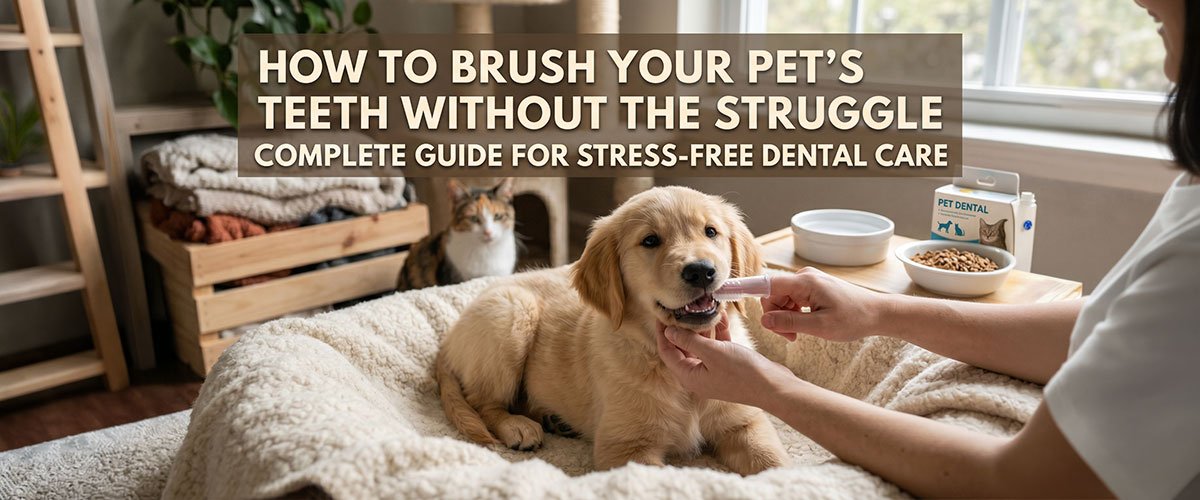
One of the most important issues of your pet’s general health care is keeping their teeth clean. However, cleaning their dog’s or cat’s teeth can feel like a wrestling match to many pet parents. Your pet will either turn their head away, lock their mouths tight, or hide under the couch as soon as the toothbrush appears.
The good news is that cleaning their teeth doesn’t have to become a daily struggle. You can train your pet to put up with, and occasionally even love, having their teeth washed if you are patient and use the proper methods, and provide positive reinforcement.
In This blog will discuss the importance of dental care, the reasons behind pets’ dislike of brushing, and useful strategies to make the process less stressful and easier for everyone.
Table of Contents
Why Pet Dental Care Is So Important
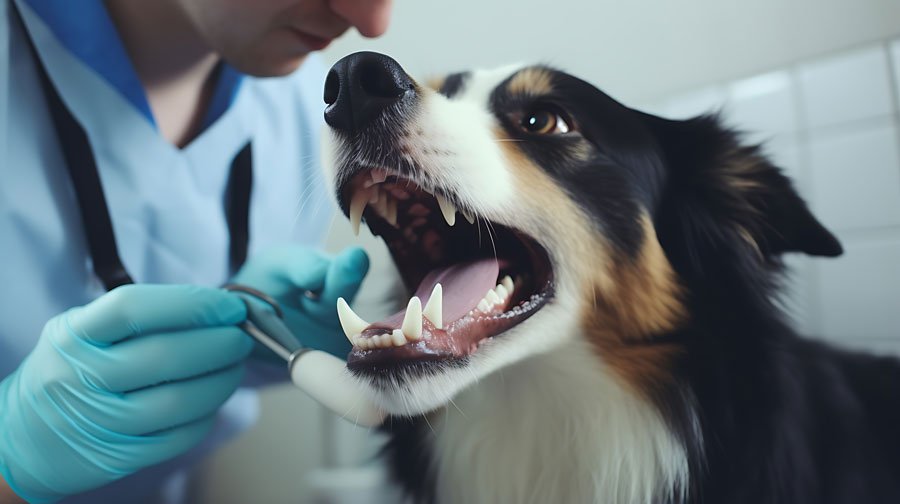
The result that dental health has on a pet’s general well-being is often underestimated by pet owners. Tartar and plaque accumulation can result in
- Bad breath
- Gum disease
- Tooth loss
- Mouth pain
- Difficulty eating
- Bacterial infections
- Heart, liver, and kidney complications
Many dogs and cats have dental disease by the time they are three years old. Frequent brushing keeps your pet healthier for years to come by removing plaque before it turns into tartar.
Why Pets Hate Having Their Teeth Brushed
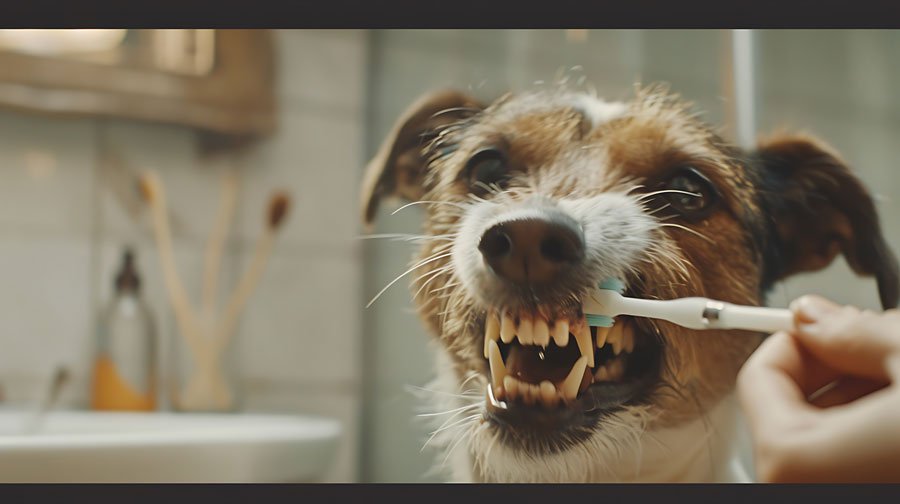
The first step in addressing your pet’s resistance is to understand it.
The Sensation Feels Strange
The majority of pets find it uncomfortable to have anything put in their mouths. Initially, a toothbrush may feel strange and uncomfortable.
Their First Experience Was Bad
Your pet can now link brushing with stress or fear if it was introduced too unexpectedly or forcibly.
They Dislike the Taste
In addition to having an unpleasant taste, human toothpaste may be harmful to dogs. Certain pet toothpaste flavors are also disliked by some pets.
They Feel Bound
Your pet may become anxious and uneasy if you hold them tightly while you brush their teeth.
There is dental pain
Brushing your pet may be painful if they already have gum disease, broken teeth, or oral sensitivity.
Before starting a brushing routine, see a veterinarian if your pet shows extreme discomfort, bleeding gums, or refusing to eat.
Start Slowly and Build Trust

The most common error made by pet owners is attempting to brush all of the teeth right away. Rather, implement the procedure gradually.
Get Your Pet Comfortable with Mouth Touching
Touch your pet’s mouth gently for a few days before introducing a toothbrush.
Try this
- Gently lift the lips for a second
- Reward with praise or treats
- Sessions should not go longer than 30 seconds.
- Finish before your pet starts to get frightened.
Teaching your pet that mouth handling is rewarding and safe is the goal.
Introduce Pet Toothpaste First
The majority of pet toothpastes are available in tastes including fish, peanut butter.
Let your pet engage in
- Allow them to sniff the toothpaste
- Lick a small amount from your finger
- Relate it to a good thing.
Because human toothpaste frequently contains dangerous chemicals like fluoride or xylitol, it should never be used on pets
Use Your Finger Before a Toothbrush
Put a small amount of toothpaste on your finger and gently rub it over your pet’s teeth and gums once they are okay with it.
Prioritize only
- First front teeth
- Quick sessions
- Calm praise
By taking this step, your pet can become used to brushing without being frightened by a toothbrush.
Choosing the Right Dental Tools
Making use of the right things can have a major effect.
Options for Pet Toothbrushes
Finger Brushes – For beginners and nervous pets, soft silicone finger brushes are excellent.
Tiny Toothbrushes with Soft Bristles – Perfect for smaller cats and dogs.
Dual-Head Pet Toothbrushes – Useful for larger dogs because they clean multiple surfaces quickly.
Select a brush that will fit your pet’s mouth comfortably.
Create Positive Associations
Your pet ought to think about “Good things happen when you brush you brush their teeth.”
Reward immediately
Following every session
- Offer treats
- Offer praise
- Play a favorite game
- Show affection
Cooperation and trust are promoted by positive reinforcement.
Keep Sessions Short
Don’t aim for a smooth and perfect brushing session right away.
To begin with
- 10–20 seconds
- The mouth’s one side
- One or two teeth at a time
As your pet gets used to it, gradually extend the time. More important than perfection is consistency.
Pick the Right Time
When is the ideal time to brush your pet teeth
- Calm and relaxed
- A little tired after playing or exercising
- Not very enthusiastic
When your pet is nervous, anxious or hungry, don’t brush their teeth
Stay Calm and Patient
Pets are easily irritated.
If your pet resists
- Calmly pause
- Avoid punishment
- Later, try again.
- Keep your voice soft and encouraging
Forcing the process can lead to chronic anxiety about dental care.
Best Technique for Brushing Your Pet’s Teeth
Emphasize the Outer Surfaces
The majority of plaque develops outside of teeth, particularly close to the gum line. The tongue naturally helps clean the inner surfaces, so you typically don’t need to brush them hard.
Use Gentle Circular Motions
Avoid scrubbing harshly.
Rather
- Angle the brush slightly toward the gums
- Make little circular motions.
- Be slow and careful.
It is more comfortable and efficient to use a gentle approach.
How Often Should You Brush Your Pet’s Teeth?
Daily brushing is ideal.
However, even brushing
- Brushing three to four times a week is much better than not brushing at all.
- The secret to avoiding buildup of plaque is consistency.
Signs You’re Moving Too Fast
Pay close attention to your pet’s body language.
Stress signs include
- Lip-licking
- Turning away
- Hissing or growling
- Tucking in the tail
- Panting heavily
- Making an attempt to run away
If you observe these signs
- Lower your speed
- Shorten the duration of the session
- Go back to an easier step
Your pet should be trained at their own pace.
Helpful Alternatives Between Brushings
Although brushing is still the best option, these products can help maintain good oral hygiene.
Dental Chews
Certain dental treats satisfy the urge to chew while reducing plaque buildup.
Dental Toys
Chew toys with textures can help in natural tooth cleaning.
Water Additives
Certain foods that have been specifically prepared help in preventing the buildup of tartar.
Dental Diets
Certain foods that have been specifically prepared help in preventing the buildup of tartar.
Instead of taking the role of brushing entirely, these alternatives could improve it.
Tips Specifically for Dogs
Dogs often react well to
- Food rewards
- A sincere praise
- Regular consistency
Consider making brushing a daily practice, such as before bed or after walks. When they see flavoured toothpaste, a lot of dogs eventually get thrilled.
Tips Specifically for Cats
Typically, cats need
- Extra patience
- More slow introductions
- Calm surroundings
For cats
- Keep sessions short.
- Use toothpaste with a seafood taste.
- Refrain from firmly restraining
- Brush during calm moments
In the beginning, even using toothpaste on your finger to contact the teeth can be beneficial.
What If Your Pet Absolutely Refuses?
Some pets require additional time, particularly rescues or elderly animals that aren’t used to being handled.
If brushing is still not possible
- Consult your veterinarian.
- Consider professional dental cleanings
- Ask about dental gels or wipes.
- Reduce uncomfortable dental conditions
Sometimes discomfort rather than behavior is the source of resistance.
Common Tooth Brushing Mistakes
Using Human Toothpaste
Pets may be harmed by human toothpaste.
Moving Too Fast
Trying to brush all teeth on day one often backfires.
Skipping Rewards
It is important to provide positive reinforcement.
Being Inconsistent
Pets forget the routine when there are long intervals between sessions.
Forcing the Mouth Open
Fear and resistance result from this.
Building a Lifelong Dental Routine
Brushing your teeth gets easier the earlier you start. Adult pets can also learn with perseverance and consistency, although puppies and kittens adjust more quickly.
Remember
- Small steps matter
- Positive experiences build trust
- Habits are formed by consistency.
Many pets eventually come to understand that brushing their teeth is just a regular part of life.
Conclusions
It takes time to get your pet to tolerate brushing their teeth, but the long-term health advantages make the effort worthwhile. Emphasize trust, steady direction, and positive reinforcement above pressuring the process.
You may make dental care a bearable routine by utilizing pet-friendly products, praising cooperation, and keeping sessions brief.
Fresh breath is a pleasant benefit, and a healthy mouth leads into a happy, healthier pet.