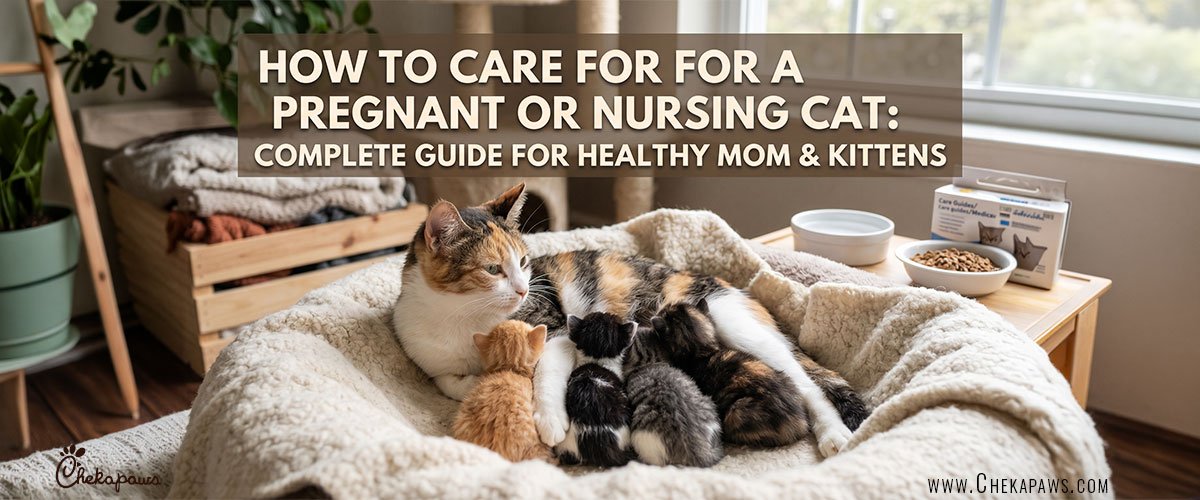
The process of bringing kittens into the world is delicate and lovely, but it includes responsibilities. Proper care is important for your cat’s health and the survival of her offspring if she is pregnant or nursing young kittens.
Cats who are nursing or pregnant require greater care, improved diet, a quiet environment, and frequent observation. Knowing your cat’s evolving needs can assist ensure a safe pregnancy, a smooth birth, and the growth of a healthy kitten, regardless of whether the pregnancy was intended or unplanned.
Everything you need to know about taking care of a pregnant or nursing cat is covered in this book, from spotting pregnancy symptoms to helping her after delivery.
Table of Contents
Understanding Cat Pregnancy
The average length of a cat’s pregnancy is between 63 and 67 days, or roughly nine weeks. The mother cat’s body undergoes major hormonal and physical changes throughout this period.
You can give greater care if you are aware of what to prepare for at each stage of pregnancy.
Common Indications of Cat Pregnancy
Keep an eye out for these typical pregnancy symptoms if your cat has been around unneutered male cats
- An increase in hunger
- Gaining weight
- More loving actions
- Sleeping longer than normal
- Abdominal enlargement
- Near the end of pregnancy, nesting behavior
- Pink and enlarged nipples
For proper monitoring, a veterinarian should always confirm pregnancy.
Preparing for a Pregnant Cat
Once pregnancy is confirmed, it’s time to make adjustments to your cat’s environment and routine.
Make an appointment for a veterinary visit
To make sure the mother cat is healthy and developing correctly, a veterinary examination is important.
Your veterinarian might
- Check pregnancy with an examination or ultrasound
- Find how many kittens there are.
- Look for parasites or diseases.
- Make dietary suggestions
- Talk about expectations for delivery.
Complications can be avoided with routine monitoring.
Create a Safe and Calm Environment
Cats that are pregnant like safe, quiet places.
Provide
- A stress-free atmosphere at home
- Minimal contact with new pets
- Calm places to sleep
- Secure indoor access
- Comfortable places to relax
Pregnancy and labor can be severely impacted by stress.
Feeding a Pregnant Cat
One of the most important aspects of taking care of a pregnant cat is nutrition. She requires more energy and nutrients because her body holds on to several growing kittens.
Gradually Increase Food
Your cat will naturally consume more during pregnancy.
Weeks 1-4: Regular consumption with a slow increase
Weeks 5–9: Enhanced hunger and energy requirements
Late pregnancy: Because there is less room in the stomach, smaller, more frequent meals may be beneficial.
Early in pregnancy, avoid overfeeding, but make sure you have access to enough high-quality meals.
Select Best Kitten Food
Kitten food is usually recommended during pregnancy because it contains
- Increased protein
- An increase in calories
- An increase in fat content
- Nutrients that are necessary for growth
Hydration can also be supported by wet food.
Ensure Constant Access to Fresh Water
During pregnancy, staying hydrated is important.
Always offer
- Clean bowls of water
- Several water stations
- Every day, fresh water is replaced.
Exercise and Physical Activity During Pregnancy
Increase Calm Movement
Allow moderate physical activity, like
- Exploring the house
- Sessions of light play
- Climbing and stretching
Stop from
- Rough play
- Jumping high
- Stressful exchanges
- Overdoing it with the abdomen
Let your cat rest when she needs to.
Creating a Nesting Area
Your cat will start searching for a quiet area to give birth as labor gets near. Giving her a nesting box can make her feel safer.
How to Set Up a Nesting Area
Select a quiet location away from foot traffic and noise.
Utilize
- A pet bed or cardboard box
- Soft towels or blankets
- Bedding that is simple to clean
- Warm weather
- Dim lights
To ensure your cat is comfortable, set up the nesting chamber a few weeks prior to delivery.
Signs Your Cat Is About to Give Birth
Usually, labor starts close to the conclusion of the pregnancy. Recognizing labor signs can help you prepare.
Common Labor Symptoms
You might observe
- Anxiety
- Behavior related to nesting
- Diminished appetite
- A rise in vocalization
- Breathing heavily
- Over-grooming
- dip in temperature
- In search of privacy
Within 12 to 24 hours of these symptoms, labor may start.
How to Support Your Cat During Labor
Kittens are typically delivered by cats on their own. The majority of your work should be observation.
What to Do During Delivery
In the course of labor
- Stay calm and quiet
- Avoid unnecessary handling
- Monitor from a distance
- Ensure the room stays warm
- Keep children and pets away
- When to Contact a Veterinarian
Seek veterinary assistance if
- Labor lasts longer than several hours without a kitten
- Strong contractions persist without giving birth.
- There is excessive bleeding.
- The cat seems weak or upset.
- A kitten appears to be stuck
- The first kitten begins by green discharge.
Quick action can save lives.
Caring for a Nursing Cat
Your cat goes into the nursing stage after kittens are born. A calm setting and more food assistance are needed during this time.
Provide More Food
Cats that are nursing burn a lot of energy.
They might require
- Two to four times the average number of calories
- Regular opportunity for feeding
- Constant availability of food
- High-protein meal for kittens
Whenever possible, allow free feeding.
Maintain a Clean Nesting Area
Maintaining cleanliness is very important to avoiding infection.
Regularly change the bedding and make sure the space stays
- Warm
- Dry
- Odorless
- Don’t bother the kittens too frequently.
Monitoring Kittens After Birth
Kittens in good health should gain weight every day and nurse often.
Signs That Healthy Kittens Are Doing Well
Typically, healthy newborn kittens
- Nurse every few hours
- In between meals, sleep soundly.
- Gain weight gradually
- Remain active and warm.
- Keep their noses and fur clean.
- Kittens’ Warning Signs
Consult a veterinarian if kittens
- Weep all the time
- Fail to nurse
- Feel cold to the touch.
- Reduce weight
- Display discharge from the nose or eyes
- Look weak or inactive
Newborn kittens are delicate and prone to a rapid decline.
Health Concerns to Watch For in Mother Cats
Complications following delivery are possible.
Keep a cautious eye out for any symptoms of illness in the mother cat
Mastitis
An infection of the mammary glands is called mastitis. Among the symptoms are
- Lethargy and fever
- Turning down kittens
- Milk that is discolored
- Swollen or painful nipples
Eclampsia
Low calcium levels are the cause of this disease.
Symptoms could consist of
- Trembling
- Weakness
- Restlessness
- Muscle stiffness
- Seizures
This is an urgent medical situation
Retained Placenta
After birth, placental tissue can occasionally be found.
Signs consist of
- A fever
- A foul-smelling discharge
- Reduced appetite
- Weakness
Timely veterinary care is crucial.
How Long Do Cats Nurse Their Kittens?
Kittens usually nurse for about 6–8 weeks.
During this period
- The mother provides nutrition
- Kittens develop immunity
- Social behavior forms
- Bonding takes place
- Usually, weaning starts at four weeks.
Weaning Kittens Safely
Weaning is the process of gradually switching from milk to solid food.
How to Start the Weaning Process
Begin by
- Provide warm water and soft kitten food
- Using shallow dishes
- Letting kittens explore food on their own
- Maintaining access to nursing
The procedure ought to proceed gradually.
Tips for Keeping a Pregnant or Nursing Cat Comfortable
Here are some easy methods to help your cat through this delicate phase.
Basic Care Advice
- Keep her inside.
- Reduce the amount of loud sounds
- Give them lots of rest.
- Keep your routine consistent.
- Don’t bring in new animals.
- Keep an eye on your eating patterns
- Provide coziness and warmth
- Maintain clean litter boxes.
Calm surroundings promote better kitten care and recuperation.
Common Mistakes to Avoid
During pregnancy and lactation, many pet owners unintentionally make mistakes.
Avoid These Mistakes
- Serving poor quality food
- Frequently disturbing newborn kittens
- ignoring labor issues
- Excessive handling of the pregnant belly
- Allowing access outside
- Not showing up for veterinary appointments
- Maintaining a noisy environment
Risks to health are decreased with proper care.
Conclusion
It takes patience, focus, and planning to care for a pregnant or nursing cat. Your cat relies on you for comfort, food, and safety at this period.
You can assist guarantee a safe pregnancy and a successful nursing time by being aware of her changing demands and keeping a close eye on her health.
In addition to protecting the mother cat, giving her kittens the best start in life is another benefit of excellent care.
Every little effort, whether it’s setting up a nesting area, providing a healthy diet, or spotting warning indicators, helps ensure that mom and kittens have a joyful and safe experience.