
Terms like “therapy dogs” and “facility dogs” are frequently used interchangeably when referring to dogs that encourage human well-being. They operate in various settings, have different training, and have rather diverse functions.
Volunteers, pet owners, and anyone else interested in animal-assisted services should be particularly aware of these distinctions. Let’s dissect it in a straightforward manner.
Read more: Therapy Dogs vs Facility Dogs: Key Differences Every Pet Lover Should KnowTable of Contents
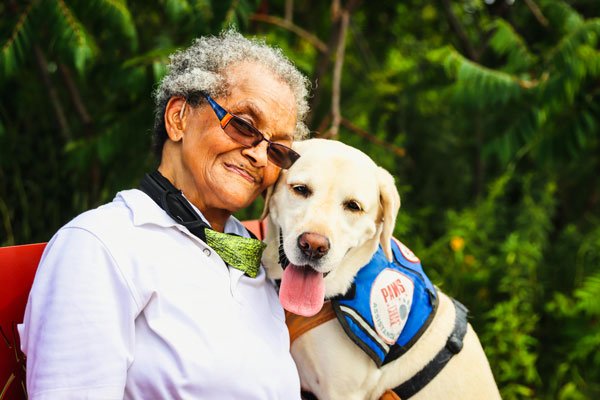
What Are Therapy Dogs?
Therapy dogs are specifically trained to offer people comfort, love, and emotional support in a variety of contexts.
Key Characteristics of Therapy Dogs
- Visit nursing homes, schools, hospitals, and disaster regions.
- Assist in lowering loneliness, tension, and anxiety
- Work with a volunteer handler, usually their owner.
- During visits, engage with a variety of people
- Certified by groups that promote therapy dogs
Common Therapy Dog Activities
- In hospitals, sitting with patients
- Assisting kids in developing their reading abilities
- Providing consolation to individuals during challenging situations
- Visiting senior citizens at assisted living facilities
- Therapy dogs bring happiness to many people rather than just one.
What Are Facility Dogs?
Facility dogs are working dogs with professional training who support certain professionals in controlled settings.
Key Characteristics of Facility Dogs
- Work full-time with experts such as educators, social workers, or therapists
- Extremely skilled in particular jobs and settings
- Typically, certified programs are used to place
- Continually assist a particular group or organization
- Managed by qualified personnel (not unpaid volunteers)
Common Facility Dog Roles
- Giving assistance to kids as they testify in court
- Participating in occupational or physical therapy sessions
- Assisting individuals with their rehabilitation
- Providing emotional and behavioral help in schools
- Facility dogs play a structured duty as members of a professional team.
Therapy Dogs vs Facility Dogs: A Quick Comparison
| Feature | Therapy Dogs | Facility Dogs |
|---|---|---|
| Primary Role | Provide comfort to many people | Assist professionals in structured settings |
| Handler | Volunteer (usually owner) | Trained professional |
| Work Environment | Hospitals, schools, nursing homes | Courts, therapy centers, schools |
| Training Level | Basic obedience + temperament | Advanced, specialized training |
| Assignment | Not assigned to one place | Assigned to a specific facility |
| Interaction Style | Casual, social visits | Structured, goal-oriented tasks |
Why These Differences Matter
Confusion can be avoided by being aware of the distinction, particularly when talking about animal-assisted interventions.
Therapy dogs are perfect for emotional support and community outreach.
For therapeutic, legal, and educational support, facility dogs are essential.
Although they do it in somewhat different ways, both have a significant impact on enhancing our lives.
Benefits of Therapy and Facility Dogs
Emotional Benefits
- Lower depression and anxiety
- Offering companionship
- Boost energies and morale
Physical & Cognitive Benefits
- Increase mobility and involvement
- Increase interaction and focus
- Support rehabilitation processes
Social Benefits
- Break communication barriers
- Develop confidence in sensitive circumstances
- Promote positive interactions
Are They the Same as Service Dogs?
No—and this is a common misunderstanding.
- Service dogs are trained to help people with disabilities, such as helping the blind.
- Dogs in therapy and facilities do not have the same legal access privileges.
- Every kind of working dog serves a distinct and important purpose.
How Can You Get Involved?
If you’re inspired by these incredible dogs, here are a few ways to participate
- Teach your dog to be a therapy dog.
- Participate in volunteer work with nearby therapy dog organizations
- Promote initiatives that place facility dogs
- Raise awareness of treatment with animals.
Conclusion
Both facility dogs and therapy dogs show the amazing relationship between people and animals, although their functions are quite different.
These dogs are genuinely transforming lives, one paw at a time, whether it’s a wagging tail consoling a hospital patient or a soothing presence assisting a child in testifying in court.