There is a long and complicated relationship between wolves and dogs that goes back tens of thousands of years. In this blog, we will discuss their differences, Wolf Vs Dog.
They have a common ancestor, comparable genetic makeup, and even intriguingly similar behavioural characteristics. However, the modern dog that relaxes on our couches now and the wild wolf have become very different over time due to selective breeding and domestication.
Knowing how wolves and dogs differ from one another is more than just a curiosity; it shows how physiology, behaviour and interpersonal relationships are influenced by both nature and nurture. Every element of them, from their morphology and instincts to their nutrition, pack structure, and interactions with humans, reveals something about their survival, evolution, and camaraderie.
We’ll dissect the key distinctions between wolves and dogs in this in-depth analysis, revealing what really sets the untamed predator apart from our devoted four-legged companions.
Table of Contents
The Shared Ancestry: A Tale of Two Paths
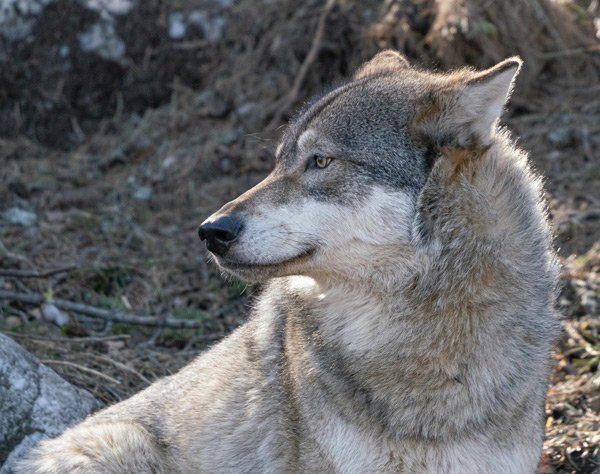
Dogs and wolves are both members of the Canis lupus species. According to scientific definitions, domestic dogs are Canis lupus familiaris, whereas wolves are Canis lupus lupus. Since dogs and wolves share almost 98.8% of their DNA, this classification emphasizes how closely they are related.
Domestication’s History
Humans and wolves are said to have started an unlikely friendship between 20,000 and 40,000 years ago. Some wolves started to tolerate human presence after being lured to human encampment by food scraps. The earliest domesticated dogs eventually evolved from the less fearsome wolves as they grew closer to people over many generations.
Divergence in Evolution
Dogs’ physical and behavioral characteristics changed significantly from those of their wild counterparts as people raised them for a variety of uses, including hunting, herding, protection, and companionship. Dogs evolved under human influence, gaining flexibility, social tolerance, and emotional intelligence toward humans, but wolves continued to be controlled by natural selection and survival instincts.
These topics may also interest you:
- How to Manage Pet Anxiety from Fireworks
- The Best Dog Beds for Puppies
- 5 Dog Products We Couldn’t Live Without
Physical Differences: Built for Wild Vs. Built for Home
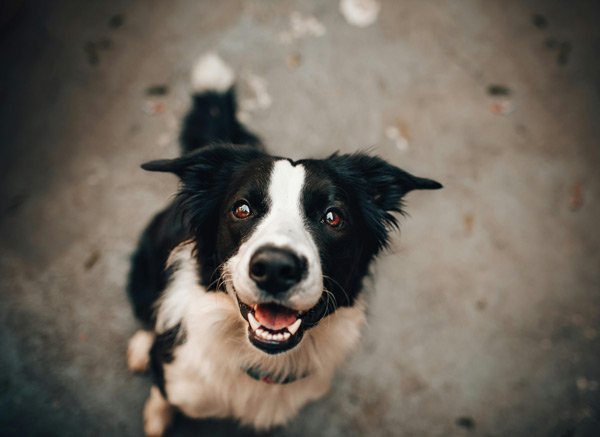
Although having identical genetic makeup, wolves and dogs differ greatly in appearance. Their various lives and survival requirements are reflected in their bodies.
Size and Structure
Because they are built for endurance and wilderness survival, wolves are often taller, longer, and thinner. They can cover up to 30 to 50 kilometers a day in pursuit of prey thanks to their powerful physique, long legs, and narrow chests.
However, because of careful breeding, dogs come in a variety of sizes and shapes. Dogs exhibit a diversity that wolves never developed in nature, ranging from the small Chihuahua to the enormous Great Dane.
Head and Facial Features
Larger teeth, longer snouts, and wider skulls are characteristics of wolves. Their immense jaw strength, which can exert roughly 400 pounds per square inch (psi), makes them ideal for breaking bones.
Dogs have smaller teeth, weaker jaws, and shorter snouts (particularly in brachycephalic breeds like pugs). Additionally, rather than being sculpted for survival efficiency, their skulls have been altered for breed characteristics and beauty.
Eyes and Ears
Typically, wolf eyes are light brown, amber, or gold. For hunting, their forward-facing eyes improve depth perception.
Dogs’ eyes can be blue, brown, green, or even heterochromatic in color. Their expressive facial characteristics developed over time, improving their ability to express human emotions.
Dog ears can range from floppy to erect, depending on the breed, but wolf ears are upright and constantly on guard.
Fur and Tail
Wolves’ double-layered fur, which sheds annually, acts as insulation during the severe winters. They use their straight tails to communicate with one another in the pack.
Dogs’ fur has been selectively bred to adapt to various temperatures. While some breeds, like Greyhounds, have thin fur that is ideal for warm climates, others, like Huskies, maintain wolf-like coats. Many dogs have docked or curled tails, which is more a matter of personal preference than practical need.
These topics may also interest you:
Behaviour and Temperament: Instincts Vs. Adaptability
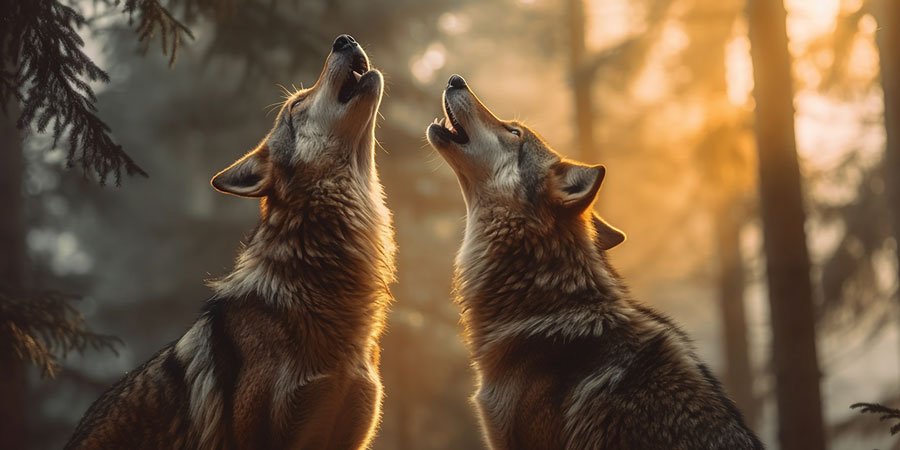
Perhaps the most obvious difference between dogs and wolves is behavior. Dogs’ thoughts, behaviors, and reactions to people have changed as a result of domestication.
Fear of Humans
Wolves are naturally cautious around people. They frequently maintain their independence, caution, and unpredictability even when hand-raised.
On the other hand, dogs developed to seek out human interaction. They are remarkably accurate at interpreting human facial expressions, body language, and tones. One of the biggest evolutionary breakthroughs from their wolf ancestors is their social intelligence.
Pack Mentality
Dogs and wolves are both sociable creatures who prefer to live in packs. But the motivation and structure are different.
A dominant breeding pair (an alpha male and female) and subordinate members who help with pup raising and hunting comprise the wolf’s rigid hierarchy. Survival is guaranteed by cooperation.
Despite their group instinct, dogs have adapted to coexisting with people. They frequently see their human family as their “pack,” developing close emotional ties without rigid roles.
Hunting vs. Scavenging
Apex predators are wolves. They use endurance, strategy, and coordination to hunt large animals like elk, deer, and moose.
On the contrary, dogs are opportunistic scavengers. Their capacity to digest carbohydrates—something wolves have trouble with—was molded by their evolution to consume human leftovers. The enzyme amylase, which aids in the breakdown of starches, is actually more abundant in dogs.
Communication
Both creatures use vocalizations, scent, and body language to communicate.
The ability of dogs to bark was enhanced by domestication. Wolves don’t ever bark; they only do so briefly to indicate danger. The dog’s bark evolved into a means of warning people or expressing curiosity, anxiety, or joy.
These topics may also interest you:
Reproduction and Parenting
Mating Behavior
Usually in late winter, wolves mate once a year. The other members of the pack assist in raising the pups, but only the alpha couple breeds.
Depending on the breed and circumstances, dogs may breed twice or even three times a year. There are no social restrictions on the breeds of dogs.
Litter Size and Gestation
Both species have roughly 63 days to gestate, although dogs often produce larger litters with 3–12 puppies, whilst wolves typically have 4–6 pups.
Wolves prioritize quality and survival rate, whereas dogs, when cared for by humans, can generate more offspring. This disparity reflects the survival strategies of the two species.
Parenting Styles
Wolf parents are extremely loyal. Puppies are raised and fed by the entire pack, which also teaches them survival skills.
Because human caregivers take on the major nurturing role, dog parenting is less rigorous. After weaning, many dogs lose interest in their puppies.
These topics may also interest you:
- Things To Do When Your Dog Breaks Their Nail
- Ultimate Guide to Good Dog Treat
- Fact List about Dog Behaviors
Diet and Digestion
Dogs have evolved into omnivorous scavengers, whereas wolves are obligate carnivores.
Wolves in the Wild
Wolves consume a lot of meat, including bones, muscles, organs, and even hair. When prey is limited, they can go days without eating since their diet supplies vital nutrients. They frequently eat up to 20 pounds of meat at one time.
The Adaptability of Dogs
As they coexisted with people, dogs developed the ability to digest plant and starch materials. As dogs started consuming human food leftovers, this adaption took place over thousands of years. Dogs were able to flourish on a varied diet that included meat, grains, fruits, and vegetables because their gut microbes became more varied.
These topics may also interest you:
Cognitive and Emotional Intelligence
Problem-Solving Skills
Wolves are excellent at solving problems, especially when it comes to hunting or avoiding traps. They are persistent, careful, and strategic. As a result of their cooperative development, dogs have evolved to rely on humans to solve problems, even if they are less tenacious on their own.
Emotional Bonding
Dogs have emotional intelligence. They are able to sense human emotions, such as joy, fear, or excitement, and they frequently react empathetically. According to studies, when dogs interact with their humans, they release oxytocin, sometimes known as the “love hormone,” which is comparable to what happens between parents and children.
In contrast, wolves develop strong emotional ties within their pack but do not exhibit the same level of interspecies empathy as dogs.
These topics may also interest you:
- 5 Tips for Training a Stubborn Pet
- Keeping Dogs Cool in Summer
- How to Dog-Proof Your House: The Ultimate Guide for a Safe Pet Home in 2025
Socialization and Training
Trainability
Dogs are bred to be trainable. Dogs are capable of learning intricate commands and tasks, from faithful German Shepherds to herding Border Collies.
Although they can be somewhat trained, wolves will never be as dependable or obedient as dogs. Independence and self-preservation are constantly at the forefront of their impulses.
Human Communication
Human-raised wolves may exhibit affection, but their behavior is still unpredictable. When they get older, they could act aggressively, defy orders, or have trouble staying in one place.
On the other hand, dogs long for human approbation. Since dogs are as interested in emotional rewards as they are in treats, positive reinforcement training is incredibly effective.
These topics may also interest you:
- Tips for keeping your pet groomed
- 10 Indestructible Dog Toys for Power Chewers (and How to Choose Safely)
- Why Do Dogs Drool?
Habitat and Lifestyle
Wolves in the Wild
In North America, Europe, and Asia, wolves can be found in woods, tundras, mountains, and grasslands. To live, they need large areas, perhaps up to 1,000 square miles, and depend on pack cooperation.
Human Society and Dogs
Dogs can be found in all human habitats, including towns, farms, deserts, and frigid areas. Their versatility is unparalleled. Dogs have adapted well to human environments, whether as working dogs, companions, or scavengers on the streets.
These topics may also interest you:
- Our Favorite Pet Toothbrushing Products
- 7 Best Pet Insurance Plans And Veterinary Care Options Available
- Interesting Pets That Came Into People’s Lives Unexpectedly
Vocalizations: Howls, Barks, and Whines
Wolves frequently harmonize with other pack members by using howls as a long-distance communication tool. The howl of every pack has a distinct signature.
Dogs continued to scream, but they also began to bark, whine, snarl, and yip with their vocal range.
Dogs use barking for a variety of purposes, including alerting, playing, demanding attention, and expressing emotion. This communication style developed to interact with people.
These topics may also interest you:
- 7 basic dog commands
- Tips On Making Pet Costumes Or DIY Pet Fashion Projects
- How to Make Your Own Bandanas that Give Your Dog Style
Genetics and Hybridization
Due to their genetic compatibility, wolves and dogs can breed together to create wolf-dog hybrids. Hybrids are debatable, though.
Hybrids of Wolf and Dog
These creatures blend the qualities of both parents: the gregariousness of the dog and the strength and independence of the wolf. The outcomes, nevertheless, are uncertain. As pets, hybrids frequently struggle to adjust; they may act aggressively, fearfully, or quietly.
Ethical and Legal Issues
Because of safety and welfare concerns, the keeping of wolf-dog hybrids is limited or outright prohibited in many areas. These creatures need specialized attention, safe housing, and knowledgeable caretakers.
These topics may also interest you:
The Role of Domestication
Dogs’ brains were altered by domestication in addition to their physical characteristics. Dogs and wolves hear human speech and emotions differently, according to MRI research. Instead of only obeying orders, they react to praise and tone.
Physical changes such as floppy ears, shorter snouts, different coat colors, and smaller size were also brought on by this “domestication syndrome”; these characteristics are associated with lower levels of stress hormones and higher levels of friendliness.
These topics may also interest you:
- A Trainer’s Guide to Dog Treats
- Teach Your Dog Not to Bark at Strangers
- 7 Best Tips For Choosing Pet Clothing And Cool Pet Beds
Myths and Misconceptions
Myth: Wolves Can Be Tamed by Dogs
Dogs are not just “tamed” wolves, even if they are descended from wolves. They evolved genetically, behaviorally, and emotionally over thousands of years.
Myth: Wolves Make Excellent Pets
Wolves bred by hand still have a wild nature. They are not suited for household life because of their inclinations. Predictability and emotional connection are necessary for true companionship, and dogs are exceptionally skilled at these traits.
Myth: All wolf behaviours are retained by dogs
While some traits, such as territorial marking and pack bonding, are still there, dogs have lost a lot of their untamed aggression and survival drive in favour of harmonious coexistence with people.
These topics may also interest you:
- Pet Shopping Guides You Should Read Before Making A Purchase
- Teaching Discipline the Fun Way: How to Train Your Dog Without the Stress
- Is It Okay to Let My Dog Run Off-Leash?
Wolves and Dogs in Human Culture
Humans have been captivated by both creatures throughout history. Wolves are frequently portrayed as both heroic and deadly; they stand for wilderness, independence, and mystery. On the other hand, dogs represent devotion, camaraderie, and service.
The wolf and dog continue to be potent representations of nature’s duality—wild freedom vs domestic companionship—from prehistoric cave paintings to contemporary motion pictures.
These topics may also interest you:
- 5 Products That Keep Your Pet’s Mind Busy While You’re at Work
- What You Need to Know About Pet First Aid
- Ideas Keep Dog Entertained While Home Alone
Modern Science: What Studies Reveal
According to recent genetic research:
- Dogs’ adaption to human diets is confirmed by the fact that they have more genes related to the digestion of starches.
- Dogs react less fearfully to humans, however wolves are more reactive to stress.
- Dogs absorb human emotions differently than any other species, even wolves, according to brain imaging.
- These results demonstrate that dogs’ affinity for humans is a biological evolution rather than a result of training.
These topics may also interest you:
The Spiritual and Emotional Divide
There is a profoundly emotional aspect to the distinction between wolves and dogs that goes beyond science. Wolves are a symbol of the wild side of nature, reflecting the unadulterated world that existed before humans took over. Dogs stand for connection, a bridge across species that is based on love and trust.
A link formed over thousands of years is shared when one loves a dog. Honoring the wildness that gave rise to that link is what it means to respect a wolf.
These topics may also interest you:
- 10 Silly Things Our Pets Do That Are Adorable
- What Kind of Leash Should You Buy Your Dog?
- 10 Ways to Encourage Good Behavior in Your Puppy
Conclusion
Both the dog and the wolf are manifestations of the same species, but they have been influenced by rather opposite factors: the warmth of human friendship and the wilderness, respectively.
The wolf continues to represent wild freedom, wisdom, and the innate cycles of the natural world. The domesticated dog is a symbol of evolution’s amazing capacity to unite species via trust and empathy.
We should admire both the dog for its devotion and affection and the wolf for its instinct and endurance. Recognizing their variances enables us to comprehend the origins of our pets as well as the true interconnectedness of all living things.
These topics may also interest you:
- How to Train Your Dog to Walk on a Leash
- 10 Fruits and Veggies that Double as Healthy Dog Treats
- How to Pick the Best Toys for your Dog
- 10 Things You Should Know Before You Go Hiking with Your Dog
- How to Introduce Your Pets to a New Baby
- How to Clip Your Pet’s Nails Without the Drama
- 5 Puppy Behaviors to Nip in the Bud Early
- How to Train Your Dog to Not Have Food Aggression
- How to Help Your Pet Get Over Their Car Anxiety
- 5 Challenges That Made Me a Better Pet Parent