As a pet parent, I am aware, dog routine need consistency and structure to thrive. Creating a daily routine that “sticks” is one of the most effective methods to make sure your dog feels safe, content, and well-behaved, regardless of how experienced you are as a pet caretaker.
Being creatures of habit, dogs take solace in anticipating what will happen next. A consistent schedule can improve training outcomes, lessen anxiety, and even improve your dog’s physical and emotional well-being.
Setting feeding and walking times isn’t enough to establish a dog routine that lasts, though; you also need to understand your dog’s needs, energy levels, and natural instincts in order to create a schedule that works for both of you.
Everything you need to know about creating a strong, long-lasting dog routine will be covered in this thorough guide, including training techniques, morning and bedtime routines, and how to modify routines as your dog gets older.
Table of Contents
The importance of Routines for Dogs

Predictability Reduces Anxiety
Knowing what to expect gives dogs a sense of security. They may become confused and stressed by abrupt changes, such as missing playtime, inconsistent feeding schedules, or walks. A sense of order is created by predictable patterns, which reduce cortisol levels and enhance behavior in general.
Deepening the Human-Dog Relationship
Maintaining a regular schedule builds trust. Your dog will recognize you as a trustworthy pack leader if they observe you giving them structure on a daily basis. Mutual comprehension and emotional attachment are strengthened by this consistency.
Improved Conduct and Instruction
Good habits are reinforced by regular exercise, walks, and mealtimes. When repetition occurs within a regular framework, dogs learn more quickly. Potty training and leash training, for example, become much simpler when done at regular intervals.
These topics may also interest you:
- Wolf VS Dog: What’s the Difference
- How to Manage Pet Anxiety from Fireworks
- The Best Dog Beds for Puppies
Understanding Your Dog’s Natural Rhythms

Morning Energy Peaks
In the morning, most dogs are naturally energetic. Because of this, early hours are perfect for short training sessions, toilet breaks, and physical activity. By utilizing this energy, hyperactivity later in the day can be avoided.
Rest Periods during Midday
Dogs usually take multiple naps throughout the day, particularly after physical activity. Your pet may like to lie close to you, cuddle, or spend peaceful time with you between late morning and early afternoon.
Wind-down and Evening Play
Before dusk, a lot of dogs get another energy boost. This is an excellent time for mental tasks, a game of fetch, or a stroll. They are then more likely to have a restful night’s sleep.
Adapting to Age and Breed:
- Puppies need more frequent potty breaks, meals, and naps.
- Consistent exercise windows are preferred by adult dogs.
- More sleep, mild exercise, and medication regimens are necessary for senior dogs.
Breed also matters; toy types could need shorter, more frequent rests, while high-energy breeds like Border Collies or Huskies need more planned activity.
These topics may also interest you:
Core Components of a Dog’s Daily Routine
Your dog’s mental, emotional, and physical requirements are all balanced in a genuinely effective program. The fundamental components of any dog schedule are listed below.
Timetable for Feeding
- Feeding consistently promotes healthy digestion and discourages overindulgence.
- Puppies: three to four little meals every day.
- Adults should eat twice a day, eight to twelve hours apart.
- Seniors: two meals, with drink and easily digested food close by.
- Tip: Serve food every day at the same times. Steer clear of late-night meals to avoid agitation or mishaps.
Exercise
Exercise helps avoid harmful tendencies, obesity, and hyperactivity.
For instance:
- Tug-of-war or fetch for fifteen to thirty minutes.
- For high-energy breeds, jogging or vigorous walks are recommended.
- For energetic dogs, swimming or agility exercises are recommended.
Energy balance is maintained by time consistency (morning and evening).
Training Sessions
Daily, 10- to 15-minute training sessions strengthen concentration, obedience, and trust. Integrate consistent instructions with good reinforcement. Plan your sessions for times when your dog is awake but not too eager, which is typically in the middle of the morning or the evening.
Mental Stimulation
- Anxiety and boredom are avoided by enrichment.
- Toys with puzzles
- Games of hide-and-seek
- Walking while sniffing
- Balls that dispense treats
A dog that is cognitively engaged is happier and calmer.
Downtime and Sleep
Puppies may require 18 hours of sleep per day, compared to 12 to 14 hours for adult dogs. Make sure you have a peaceful place to sleep and a regular nap routine. Bedtime habits, such as a little stroll, cuddling, and turning out the lights, are helpful.
Hygiene and Grooming
- Include bathing, brushing, and dental care in weekly or daily routines
- For long-haired breeds, brush every day.
- Two to three times a week, brush your teeth.
- After walks outside, wash your paws.
Regular grooming sessions improve relationships and aid in the early detection of skin problems.
These topics may also interest you:
Building a Schedule That Works

Assess Your Lifestyle
Start with your daily schedule, which includes your family’s schedule, mealtimes, and work hours. Next, match your dog’s needs to that structure. Recall that consistency is more important than precise timing.
Establish Fixed Points
Set regular times for important tasks like eating, walking, and going to bed.
For instance:
- 7:00 AM: Breakfast and a morning stroll
- Toilet break at 12:30 PM
- 6:00 PM: Dinner and an evening stroll
- 9:30 PM: Last toilet break and quiet time
Be Realistic
Don’t overburden the schedule. Like us, dogs require downtime. To avoid fatigue or overstimulation, alternate active sessions with rest intervals.
Include Family Members
Divide up the work if there are several persons taking care of the dog; for example, one person should be in charge of morning walks, while another should be in charge of feeding the dog in the evening. This guarantees clear coverage.
Observe and Modify
Your initial plan may not be flawless. For one to two weeks, keep an eye on your dog’s responses. Are they agitated at night? In the middle of the day, hungry? Make the necessary adjustments. Long-term success is ensured by a flexible mindset.
These topics may also interest you:
- Fun things to do with your pet
- Things To Do When Your Dog Breaks Their Nail
- Ultimate Guide to Good Dog Treat
Morning Routine
Wake Up & Take Them Out
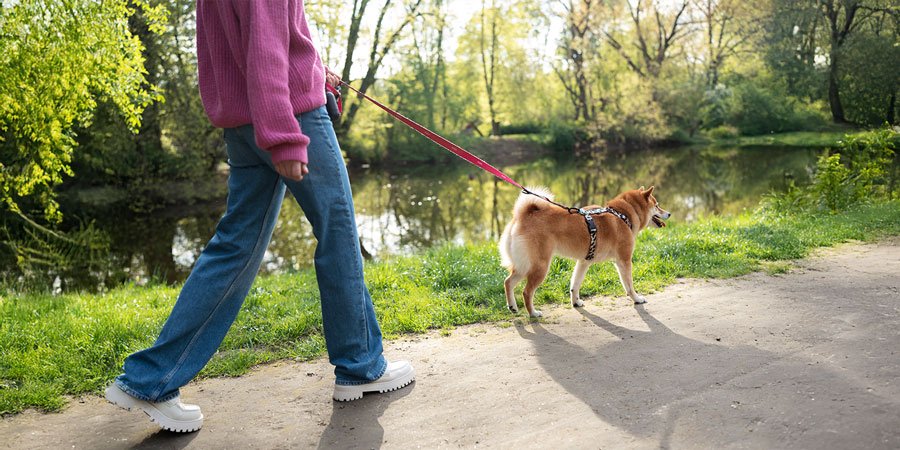
Take a quick outside potty break to start the day. This establishes the mood for the day and avoids indoor mishaps.
Walking in the Morning
A long 20- to 30-minute walk helps your dog’s bowel movements, releases energy, and gets them mentally ready for the day.
Breakfast & Hydration
After the stroll, eat to avoid bloating and digestive problems. Provide fresh, clean water and replenish water bowls.
Quick Play or Training
Spend ten to fifteen minutes reiterating the directions to obey, such as “sit,” “stay,” and “come.” Destructive behaviors while you’re away are decreased by positive morning involvement.
Calm Transition
Use a puzzle feeder or chew toy to help your dog relax before you go for work or errands. Long, sentimental farewells should be avoided as they may cause separation anxiety.
These topics may also interest you:
Midday Routine
Lunch or Snack (For Puppies)
Small midday meals may be necessary for puppies. Afterward, use this as a chance for peaceful leisure or crate training.
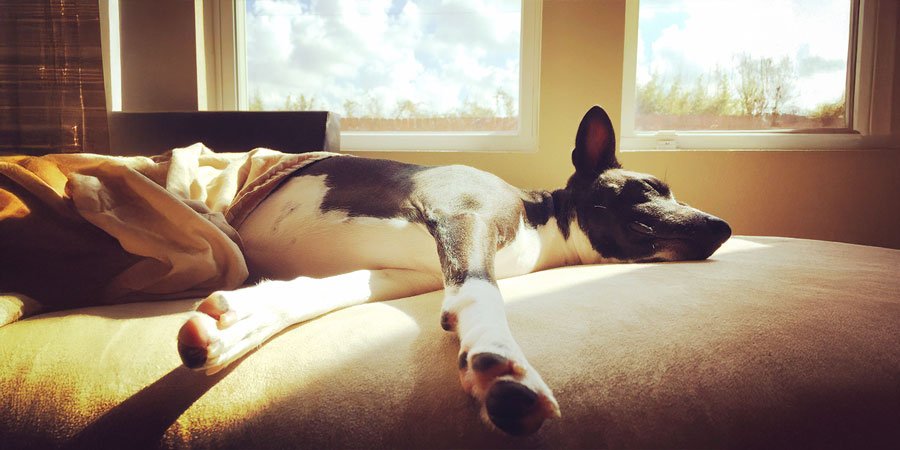
Quiet Rest
Dogs require naps in the middle of the afternoon to refuel. Make a comfortable nook away from distractions and noise.
These topics may also interest you:
Evening Routine

Walk and Playtime
By smelling and exploring, evening walks help your dog release pent-up energy and provide mental stimulation. Play park games, tug-of-war, or fetch for 15 to 30 minutes afterward.
Dinner
For optimal digestion, feed your dog at least two to three hours before bed.
Family Time
Involve your dog into family leisure activities, such as snuggling, gently brushing, or watching TV. Calm and connection are fostered by emotional inclusion.
Calm Wind-Down
Set a sleep cue, turn down the lights, and cut down on noise. To reduce restlessness, some owners utilize lavender sprays or soothing music.
These topics may also interest you:
- How to Dog-Proof Your House: The Ultimate Guide for a Safe Pet Home in 2025
- Tips for keeping your pet groomed
- 10 Indestructible Dog Toys for Power Chewers (and How to Choose Safely)
Night Routine
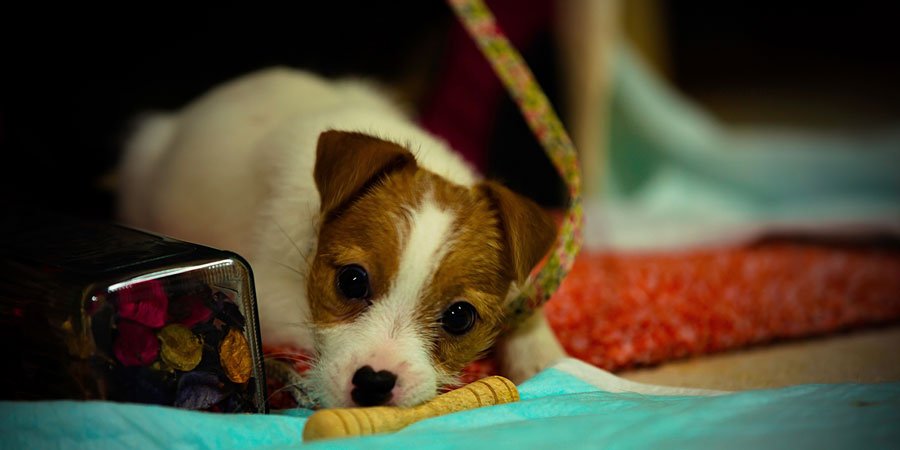
Last Poop Break
Before going to bed, take your dog for a final walk to guarantee a restful night’s sleep free of blunders.
Bedtime
Whether it’s your room, their bed, or their kennel, encourage your dog to sleep in a consistent location. Regular placement strengthens security and discourages nighttime wandering.
Maintain Quiet Hours
After the lights go out, stay away from stimuli. Dogs quickly understand that it’s time to sleep, not play, at night.
These topics may also interest you:
- Why Do Dogs Drool?
- Our Favorite Pet Toothbrushing Products
- 7 Best Pet Insurance Plans And Veterinary Care Options Available
Training Your Dog to Follow the Routine
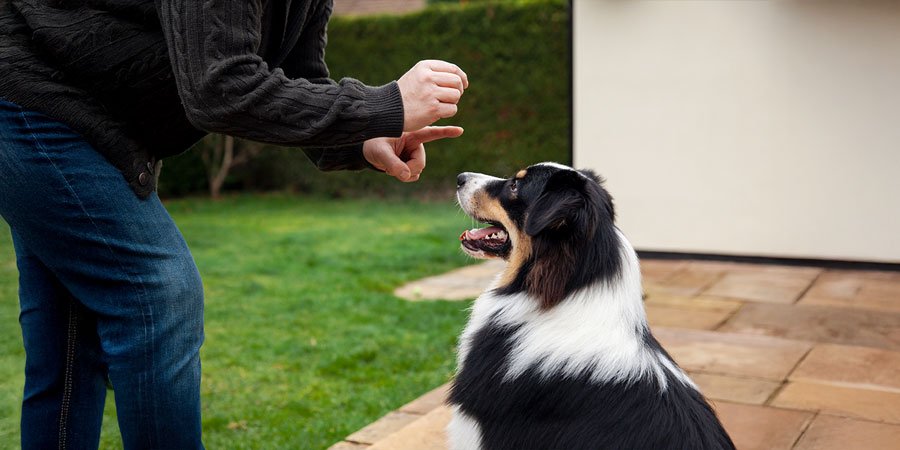
Use Positive Reinforcement
When your dog exhibits scheduled behaviors, such as going to bed or taking walks on time, reward them with affection, praise, or treats.
Be Consistent
Your dog may become confused by even little timing errors. Particularly in the first several weeks of training, pay particular attention to the schedule.
Integrate Rituals and Cues
Mark events with spoken or visual cues:
- “Dinner time!” for meals.
- “Let’s go for a walk!” for excursions.
Your dog learns to anticipate the next task through repetition.
Gradual Adjustments
If your schedule needs to be adjusted for work or travel, do so gradually, starting 10 to 15 minutes earlier or later each day to prevent confusion.
These topics may also interest you:
- Interesting Pets That Came Into People’s Lives Unexpectedly
- 7 basic dog commands
- Tips On Making Pet Costumes Or DIY Pet Fashion Projects
Common Routine Mistakes to Avoid
- Overscheduling: Your dog may become overwhelmed by too many activities.
- Inconsistency: Missing walks or meals undermines trust.
- Ignoring age changes: As your dog gets older, make adjustments for their energy and health demands.
- Lack of adaptability: Stress can be avoided by being somewhat flexible.
- Ignoring cerebral stimulation: Playing brain games is crucial; physical activity is insufficient.
These topics may also interest you:
- How to Make Your Own Bandanas that Give Your Dog Style
- Pet products you can’t live without
- DIY Dog Bath Essentials
Adapting Routines for Special Situations
Puppies
Need short periods of play, frequent feedings, and toilet breaks every two to three hours. The daily schedule should include sociability and crate training.
Senior Dogs
Incorporate regular medication schedules, mild walks, and additional sleep. If necessary, switch to smaller, more frequent meals.
Households with Multiple Dogs
To avoid disagreement, space out training sessions or walks. To control nutrition and prevent food antagonism, feed dogs separately.
Owners of Working Dogs
Use daycare, timed feeds, or dog walkers if you work long hours to ensure consistency while you’re away.
These topics may also interest you:
- 7 Steps To Getting Your Dog to Exercise
- A Trainer’s Guide to Dog Treats
- Teach Your Dog Not to Bark at Strangers
How to Make the Routine Stick Long-Term
Track Progress
Keep track of feeding times, walks, training outcomes, and poop breaks using a calendar or app. Timing is improved by patterns.
Celebrate Small Wins
Recognize improvements, such as fewer mishaps, calmer conduct, and quicker obedience reactions.
Regular Check-Ins
Review and adjust your routine every three to six months to reflect changes in your life or your changing demands.
Make It Fun
Dogs are able to detect excitement. Make play, grooming, and walks enjoyable, communal experiences. Maintaining the process becomes easy when you both like it.
These topics may also interest you:
- 7 Best Tips For Choosing Pet Clothing And Cool Pet Beds
- Pet Shopping Guides You Should Read Before Making A Purchase
- Teaching Discipline the Fun Way: How to Train Your Dog Without the Stress
Conclusion
A scheduled routine is about mutual understanding, rhythm, and trust rather than rigidity. Your dog’s confidence grows, fear decreases, and your relationship strengthens when they know what to expect. Your daily routine—eating, walking, playing, and resting—becomes second nature over time and is in sync with your shared existence.
Keep in mind that each dog is different. The ideal routine is one that satisfies your dog’s emotional and physical demands while also fitting in with your lifestyle. Your dog’s routine will not only endure but flourish if you are patient, consistent, and kind.
These topics may also interest you:
- Is It Okay to Let My Dog Run Off-Leash?
- 5 Products That Keep Your Pet’s Mind Busy While You’re at Work
- What You Need to Know About Pet First Aid
- Ideas Keep Dog Entertained While Home Alone
- How to Deal with a Jealous Pet
- 5 Common Signs of Stress in Dogs and Cats
- 5 Best Brushes for Dogs
- 10 Silly Things Our Pets Do That Are Adorable
- What Kind of Leash Should You Buy Your Dog?
- 10 Ways to Encourage Good Behavior in Your Puppy