As a pet parent, I am aware that cats’ independence and enigmatic instincts have long been revered. Many cat owners have heard tales of cats being missing for days, weeks, or even months, only to return home as if nothing had happened. These tales can come from their personal experiences or from neighbors. Naturally, this begs the intriguing question of whether cats can actually find their way home. The simple answer is that many cats are capable of doing so, but more research is needed to determine how they accomplish it and how dependable it is.
Table of Contents
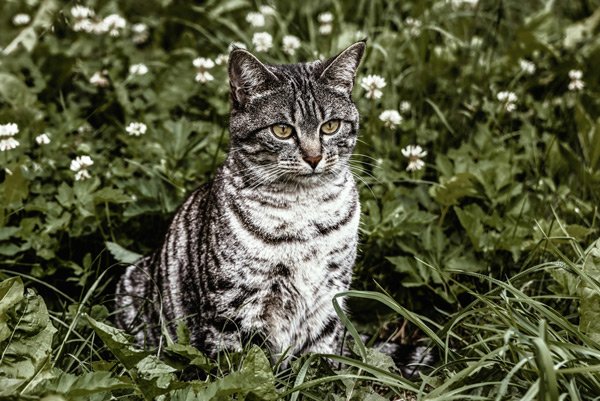
The Homing Instinct in Cats
The term “homing instinct” refers to an animal’s capacity to return to a familiar location after being displaced. Although animals like birds and turtles have a well-established homing instinct, cats also exhibit exceptional homing skills. Cats have been known to travel hundreds of kilometers to rejoin with their families in a number of real-life incidents.
But not all cats are equally adept at finding their homes. A cat’s ability to find its way home depends on a number of factors, including age, health, outside experience, environment, and distance.
How Do Cats Navigate?
There isn’t just one route for cats to get home. Rather, they seem to employ a mix of environmental and sensory cues.
Sense of Smell
Compared to humans, cats have a far greater sense of smell. Cats are able to identify familiar odors from their surroundings, such as their own scent markings, the aroma of their house, and even the fragrance of their owners. In instance, outdoor cats may follow scent trails they have left behind while exploring.
Magnetic Field Sensitivity
According to research, cats could be able to sense the Earth’s magnetic field, just like birds and other animals that migrate. They may use this internal “magnetic compass” to assist them find their way around unfamiliar areas, particularly when traveling long distances.
Visual Landmarks
Cats are acute observers of their environment. They can create a mental map of their region with the aid of trees, buildings, fences, roads, and other features. By identifying these visual signals, a cat can retrace its tracks if it gets lost inside or close to its typical range.
Hearing
Cats’ sense of hearing is incredibly sensitive. They might be assisted in returning home by familiar sounds, such as conversations, traffic patterns, or other sounds from the neighborhood.
Indoor Cats vs. Outdoor Cats
Compared to strictly inside cats, outdoor or indoor-outdoor cats typically have a higher likelihood of finding their way home. Outdoor cats have already established their territory and are more accustomed to their environment. When unexpectedly forced outdoors, indoor cats may become frightened and hide instead of making an effort to get back home.
However, even indoor cats have been known to travel unexpected distances to return home, particularly if they escape close to their house rather than being taken somewhere else.
Distance Matters
If a cat becomes lost within a few kilometers of their home, they have a better chance of finding their way back. Finding their way back becomes much more challenging when cats are sent far away, like during a move or an unintentional relocation. Cats may still try to return in these situations, but the trip is riskier, longer, and less likely to be successful.
Why Some Cats Don’t Return
Not all missing cats make it back home, even if many do. This is due to a number of factors:
- They could not be able to go due to illness or injury.
- They may choose to hide rather than move out of fear or tension.
- Environmental risks include inclement weather, traffic, and animals.
- Human intervention, in which the cat is taken in by someone who thinks it is a stray.
- The personality of a cat also matters. While frightened cats might remain hidden near their lost location, bold, self-assured cats might venture farther and be more proactive.
How Long Does It Take for a Cat to Return Home
A set timetable does not exist. While some cats can return in a matter of hours or days, others might need weeks or even months. Cats frequently move slowly, pausing to hunt, conceal, and rest. Their chances of surviving are increased by this cautious, deliberate travel, but reunions may take longer.
What to Do If Your Cat Is Lost
Owners should never rely entirely on a cat’s ability to find its way home, despite the fact that cats have powerful intuition. If your feline disappears
- Start by searching the surrounding regions, paying particular attention to hiding places.
- Leave familiar smells, such litter or bedding, outdoors.
- Inform neighbors and local shelters.
- To get the word out, use social media and posters.
- Your cat’s chances of being reunited are significantly increased if you microchip them.
Can You Help Strengthen Your Cat’s Chances
Although a homing instinct cannot be “trained,” you can lessen the chance of irreversible loss by having your cat microchipped, using an ID collar (if safe), and keeping an eye on their outdoor time. Making sure windows and doors are secure is particularly crucial for indoor cats.
Conclusion
Indeed, because of their keen senses, strong instincts, and capacity to navigate using sound, scent, landmarks, and probably even the Earth’s magnetic field, cats can frequently find their way home. This capability is not certain, though. Whether a cat returns safely depends on a number of factors, including individual temperament, surroundings, and distance.
Despite their amazing instincts, cats nevertheless need our protection. The greatest strategy to guarantee that a lost cat’s journey finishes where it belongs—at home—remains responsible pet ownership, which includes prevention, identification, and prompt action.