Warmth, festivities, and decadent meals are common during the winter months. However, while people enjoy festive feasts, many cats suffer from poor eating habits that go unreported. Holiday patterns, lower activity levels, and cold weather can all affect your cat’s dietary requirements.
One of the most crucial components of proper pet parenting, in our opinion at Chekapaws, is informed feeding. Let’s examine the most frequent feeding errors that cat owners make over the winter holidays and how to prevent them.
Table of Contents
Overfeeding Just Because It’s Winter
One of the most common myths is that cats require more food to stay warm in the cold.
Why This Is an Issue
- In the cold, indoor cats burn fewer calories.
- Obesity and weight gain are caused by overfeeding.
- Diabetes, arthritis, and heart problems are all made more likely by obesity.
What to Do Rather
- Adhere to your cat’s usual food portions
- Modify portions only as directed by your veterinarian
- Keep a close eye on weight fluctuations throughout the winter
Sharing Holiday Human Food With Your Cat
Many owners give in to the temptation of pleading eyes.
Common Unsafe Holiday Foods
- Creamy sauces, butter, and gravy
- Garlic, onions, and spices
- Sweets, baked foods, and chocolate
- Foods that are fried or salty
Why This Is Dangerous
- May disturb the digestive system
- Danger of harmful responses
- Causes long-term unhealthy eating habits
Safer Alternatives
- Give cat snacks that have been recommended by a veterinarian.
- Keep human food off of counters and tables
Ignoring Changes in Appetite During Cold Weather
In the winter, some cats eat more, while others become less interested in food because they are less active.
Mistake Many Owners Make
- Considering variations in appetite to be “normal winter behavior”
- Ignoring early symptoms of disease
Things to Keep an Eye Out For
- Abrupt rise or fall in food consumption
- Loose stools or vomiting
- Hiding or laziness
See your veterinarian if changes in appetite last longer than 24 to 48 hours.
Not Paying Attention to Winter Hydration
Winter makes staying hydrated much more difficult for cats, who have a low thirst drive by nature.
The Reasons Behind Winter Dehydration
- Thirst is lessened in cold temperatures.
- The air is dried by indoor heating.
- Warm, fresh water is preferred by cats.
How to Boost Hydration in the Winter
- Use bowls made of ceramic or stainless steel
- Give them lukewarm water
- Add wet food in your cat diet
- Think about getting a cat water fountain for your cat
Digestion and kidney function are supported by adequate fluids, particularly in the winter.
Feeding Too Many Treats During the Holiday Season
Holiday bonding frequently involves treats, but too many treats might be harmful.
Common Mistakes Associated with Treats
- Replacing meals with treats
- Feeding multiple people giving treats unknowingly
- Giving treats every day without limiting portions
Smart Treat Guidelines
- Choose high-protein, low-additive treats
- Let family members know about treat restrictions
- Limit treats to no more than 10% of daily calories.
Switching Cat Food Abruptly During Holidays
Holiday sales and gift packs often encourage food changes.
Why Sudden Dietary Changes Are Dangerous For Cats
- Causes diarrhea and vomiting.
- Upsets the microorganisms in the gut
- May result in dietary aversions.
The Best Method
- Gradually introduce new foods over a period of 7–10 days
- Blend small amounts with existing foods
- Refrain from experimenting when traveling or under stress
Assuming All Cats Need the Same Winter Diet
Lifestyle, age, and health are important, particularly during the winter.
Cats with Particular Needs
Senior cats
- Cats that are indoors only
- Cats with thyroid, renal, or weight problems
What You need to do
- Select food that is age-appropriate and condition-specific
- Speak with your veterinarian before making dietary modifications
- Refrain from copying the feeding schedule of another cat.
Forgetting Feeding Routines During Busy Holidays
Feeding routines might be changed off by celebrations, visitors, and travel.
The Importance of Routine
- Cats thrive on consistency
- Stress and stomach distress are brought on by irregular meals.
- Stress can lead to behavioral problems.
Useful Tips
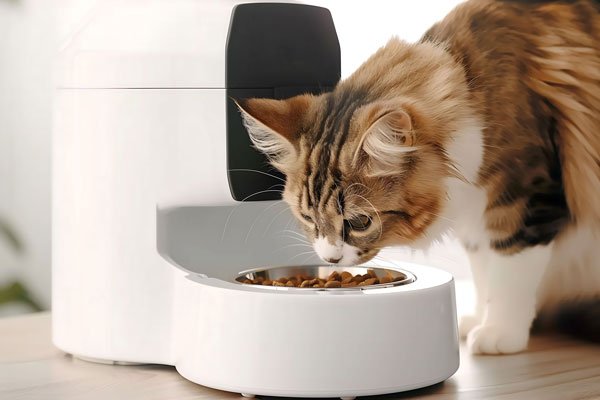
- If necessary, use automatic feeders
- Set feeding reminders.
- Make sure caregivers adhere to your cat’s schedule.
How to Feed Your Cat Right This Winter Holiday Season
A brief checklist for winter feeding
- Adhere to portion control.
- Avoid human food.
- Keep your cat hydrated
- Limit Treats
- Maintain regular feeding times.
Conclusion
For your cat, the winter season should be enjoyable rather than stressful. By avoiding these typical feeding errors, you can keep your cat comfortable, active, and healthy all season long.
To make those winter cuddles content and worry-free, a little awareness goes a long way.